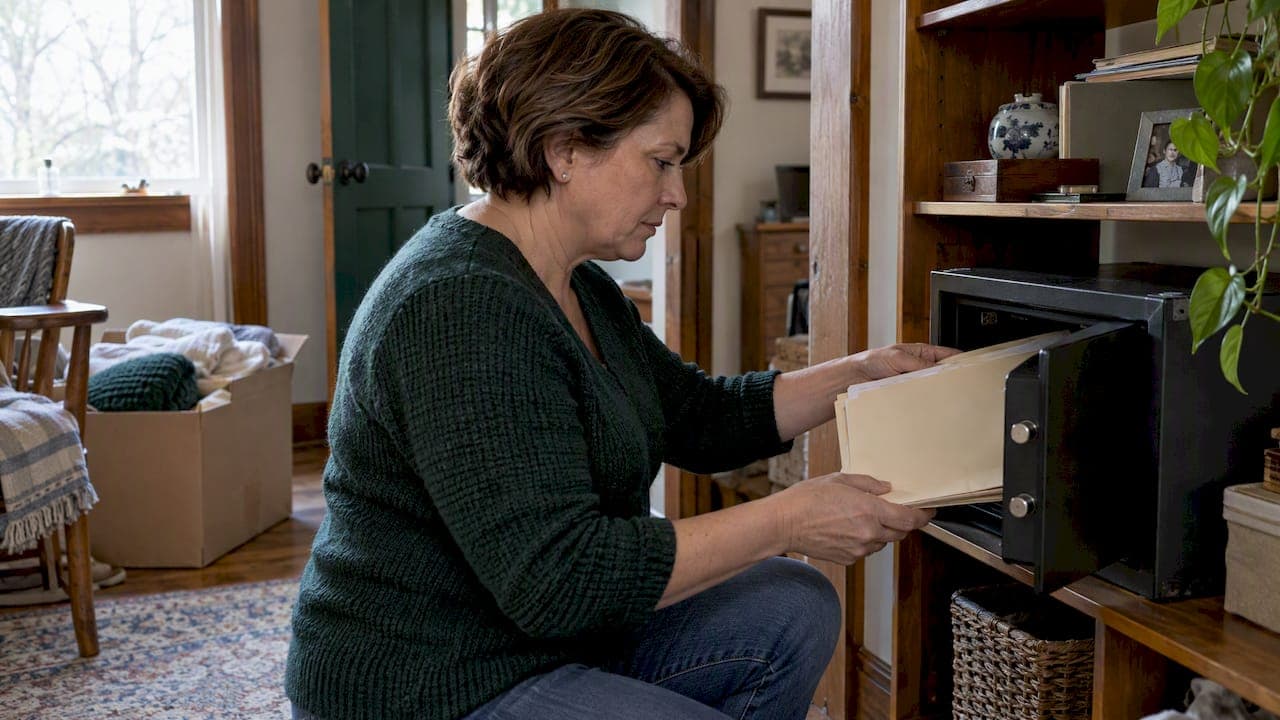
Secure the home and the keys first, then locate the will, bank records, and the death certificate before anything else moves. Those two steps protect the family from loss or disputes later. Once documents are safe, set a simple room-by-room plan and pick a target date or window so the work has a clear end point instead of dragging on for months.
TL;DR:
- A lightly furnished apartment may take a weekend, while a long occupied family home can require weeks; check probate, lender, and lease deadlines early.
- Order enough certified death certificates at once: banks, insurers, and title transfers require them, and repeat requests mean return trips to records offices.
- Record sold, donated, or removed items with a short description, photo, and date; obtain signed, dated receipts for donations to support probate filings.
- Use medicine take back programs when available; otherwise, mix medicines with coffee grounds or cat litter, seal them, and discard them in household trash.
Table of Contents
- Estimate the Scope and Set a Realistic Timeline
- Walk Through the Home Before You Touch Anything
- Sort Everything Into Four Clear Buckets
- Where Items Go: Donation, Resale, and Responsible Disposal
- Deciding When to Bring in Professional Help
- Keeping the Process Humane for Everyone Involved
- A Checklist and Sample Timeline to Follow
- Why We Lead With Donation First
- How We Can Help With Your Cleanout
- FAQ
- Sources
Estimate the Scope and Set a Realistic Timeline
The time an estate cleanout takes depends mostly on square footage, how long someone lived in the home, and how much sorting the family wants to do versus what a crew can handle. A single apartment with light belongings might take a weekend. A multi-decade family home, especially one with a basement, attic, or garage full of decades of accumulation, often takes several weeks of steady work.
Working room by room keeps the project from feeling endless. A sensible order usually looks like this:
- Start with the kitchen and bathrooms, since they hold the least sentimental weight and the most straightforward trash.
- Move to bedrooms and closets, where clothing and personal items need sorting decisions.
- Tackle common areas (living room, dining room) where furniture and larger decisions live.
- Save basements, attics, and garages for last, since these areas hold the slowest sorting and the most hidden paperwork.
Set milestones instead of one big deadline. Something like "kitchen and bathrooms done by this weekend, bedrooms by next" keeps momentum visible. If the home is in probate, check whether the court has set any deadlines for distributing or selling property. Mortgage lenders and landlords may also issue notices requiring faster action on an occupied or vacant property, so confirm those dates early rather than assuming there's unlimited time.
Walk Through the Home Before You Touch Anything
Before any sorting begins, walk every room with a phone camera and take photos or a short video of each space as it stands. This record protects the family if questions come up later about what was in the home, and it gives everyone a shared reference point instead of relying on memory.
As you walk through, look in these common spots for key paperwork and valuables:
- Desk drawers, filing cabinets, and home office areas for wills, deeds, and titles.
- Nightstands and closets for insurance policies, passports, and jewelry.
- Kitchen drawers and freezer bags, which surprisingly often hide cash or small valuables.
- Bank statements or safe-deposit box keys tucked into envelopes or old wallets.
- Password lists or login notebooks near computers.
Prioritize finding the will, financial account statements, property deeds, and insurance policies first. You'll likely need several certified copies of the death certificate. Usa explains that these are required for closing bank accounts, claiming life insurance, and transferring vehicle or property titles, and that ordering enough copies up front saves repeated trips back to the vital records office.
One practical note worth building into your plan: keeping documents and small valuables in a locked, fireproof box while sorting continues protects them from accidental loss. A home document safe gives families a secure place to collect paperwork as it's found, rather than leaving it scattered across rooms during a multi-week cleanout.

Sort Everything Into Four Clear Buckets
A repeatable sorting system keeps decisions fast and fair, especially when multiple family members are involved. We recommend four categories for every item in the home:
- Keep: items a family member wants permanently, whether for use or memory.
- Sentimental: items with emotional value that need more time, discussion, or photo documentation before a final decision.
- Sell or consign: furniture, antiques, jewelry, or collectibles with resale value.
- Donate or discard: everything usable that nobody in the family wants, plus genuine trash.
Irreplaceable items like photographs, letters, and textiles deserve extra care. Acid-free boxes and sleeves protect paper and fabric from degrading in storage, and photographing sentimental items before deciding their fate gives everyone a digital record even if the physical item is sold or donated.
Some items are worth having appraised before a decision is made. Antiques, fine jewelry, and art fall into this group, and AARP's estate sale guidance notes that simple appraisals commonly cost between one hundred and two hundred fifty dollars depending on the specialist and item type.
For anything donated, sold, or removed from the estate, create a written inventory with a short description, photo, and date. A signed, dated receipt for donated items reduces confusion for the executor and supports probate filings later.
Pro Tip: Photograph sentimental items before deciding their fate, so the memory survives even if the object doesn't stay in the family.
Where Items Go: Donation, Resale, and Responsible Disposal
A donation-first approach moves usable items to people who need them while reducing what ends up hauled to a landfill. Charities like Habitat for Humanity ReStores accept furniture, appliances, and building materials in good condition, and many provide pickup service for larger items along with a donation receipt for tax and probate records.
For items with resale value, the choice usually comes down to three paths:
- Estate sale: best for homes with enough volume and variety to justify an on-site sale over a weekend.
- Consignment: better suited to individual high-value pieces like furniture or jewelry that sell well through a specialty shop.
- Online listings: practical for smaller items or when timeline flexibility allows for individual buyer pickups.
Medications and household chemicals need their own disposal path. The EPA's guidance on unwanted household medicines recommends using a drug take-back program such as a pharmacy kiosk, law-enforcement collection site, or mail-back envelope whenever one is available. As of 2019, a large majority of the U.S. population lived within five miles of a permanent collection site, which makes take-back the most accessible option for most families. When no program is available, the EPA recommends mixing medicines with an undesirable substance like coffee grounds or kitty litter, sealing them in a container, and placing them in household trash rather than flushing them.
Deciding When to Bring in Professional Help
Some cleanouts are manageable for a family working alone over a few weekends. Others call for professional hands, and recognizing the difference early saves time and stress.
Signs it's worth hiring help include:
- The home shows signs of hoarding or heavy clutter beyond typical accumulation.
- A probate deadline or lease requirement leaves only days or weeks to clear the property.
- Family members live far away or can't take time off to manage the physical work.
- The estate includes items needing specialized appraisal, hazardous material removal, or odor remediation.
Different professionals handle different parts of the job. A cleanout crew clears, hauls, and disposes of bulk items. An estate-sale manager prices and runs an on-site sale. An appraiser values individual high-worth pieces. A hazardous-waste contractor handles chemicals, biological material, or odor issues safely.
Before hiring anyone, ask about insurance coverage, their disposal and donation partners, how they document items removed, and whether they can provide references. A reputable cleanout service should leave the property broom-clean and provide documentation of what was donated, sold, or discarded, which matters for both peace of mind and probate records.
Keeping the Process Humane for Everyone Involved
Grief and physical exhaustion both show up during a cleanout, often at the same time. Naming one person as the decision lead for day-to-day calls, while still giving every family member a voice on sentimental items, keeps the process from stalling in disagreement.
A few practices make the emotional load lighter:
- Agree on simple rules upfront, like "everyone picks three sentimental items before anything is sold or donated."
- Use shared photo albums or a group spreadsheet so family members who live far away can weigh in remotely.
- Schedule short video walkthroughs for anyone who can't be there in person.
- Build in breaks. Sorting a parent's belongings for six straight hours wears everyone down faster than expected.
Renting a storage unit can feel like a safe pause button, but AARP warns that storage often becomes a costly delay, with national costs commonly running $100 to $300 a month depending on size and location. If storage is part of the plan, set a firm date to finish sorting rather than letting the unit become permanent.
Pro Tip: If the workload or the emotions feel like too much on a given day, stop for the day. The house isn't going anywhere, and decisions made while exhausted are often the ones families regret.
A Checklist and Sample Timeline to Follow
Before the first box is packed, handle these basics: secure the home and change or collect all keys, gather the deceased's ID and personal documents, and order multiple certified copies of the death certificate.
A workable timeline often looks like this:
- Week 1: Secure the home, locate documents, notify agencies and financial institutions.
- Week 2: Walk through and photograph every room, begin sorting kitchen and bathrooms.
- Weeks 3 to 4: Sort bedrooms and common areas, schedule any needed appraisals.
- Final week: Arrange donation pickups or an estate sale, handle hazardous disposal, complete staging if the home is being sold.
On cleanout day itself, confirm all keys are accounted for, trash and donation pickups are scheduled, and you have receipts for anything donated or removed. If probate requires court approval before certain items can be sold or distributed, pause that specific step and continue with everything else.
Why We Lead With Donation First
A donation-first approach keeps usable belongings out of landfills and puts them directly into the hands of neighbors who need them, which matters as much to us as the practical side of clearing a home. We prioritize a compassionate approach and careful handling of keepsakes out of respect for families during the process. Timelines can flex, but dignity during the process never does.
— Derek
How We Can Help With Your Cleanout
Every estate is different, which is why we offer a range of services instead of a single one-size-fits-all package. A full house cleanout fits most family homes, while a smaller apartment or condo cleanout or even a single room, garage, or basement job works for more contained spaces. Hoarding cleanup and large estate cleanouts cover the heavier end, and estate sale or online consignment support helps when there's resale value worth capturing.

What you can expect from experienced crews includes sorting, hauling, and disposal with care for keepsakes, donation-first sorting with receipts provided for charitable donations and probate records, and a broom-clean handoff when the job is finished, accompanied by photo documentation.
To get a quote, have the property address, an approximate size or room count, and any probate notes ready. You can check service areas across New Jersey or request an estimate directly for homes in Trenton, Elizabeth, or Salem.
FAQ
How long do you have to clear a house after someone dies?
There's no single legal deadline that applies everywhere. The real timeline depends on probate court requirements, mortgage or lease terms, and any agreements with heirs, so checking those specifics early helps you set a realistic end date.
How do you clean out an estate house?
Start by securing the home and locating key documents like the will and death certificate, then walk through and photograph every room before sorting. From there, work room by room using a keep, sell, donate, or discard system, and bring in professional help for scale, hazardous materials, or tight deadlines.
How do you clear out a deceased estate?
Clearing a deceased estate follows the same core steps as any cleanout: secure the property, gather legal and financial documents, sort belongings into clear categories, and arrange donation, resale, or disposal for what remains. Keeping a written inventory and receipts throughout protects the executor and supports any probate requirements.
How long does it take to clean out an estate?
A small apartment can often be cleared in a weekend, while a full family home with decades of belongings may take several weeks of steady work. Scope, the amount of sentimental sorting involved, and whether professionals are helping all affect the final timeline.