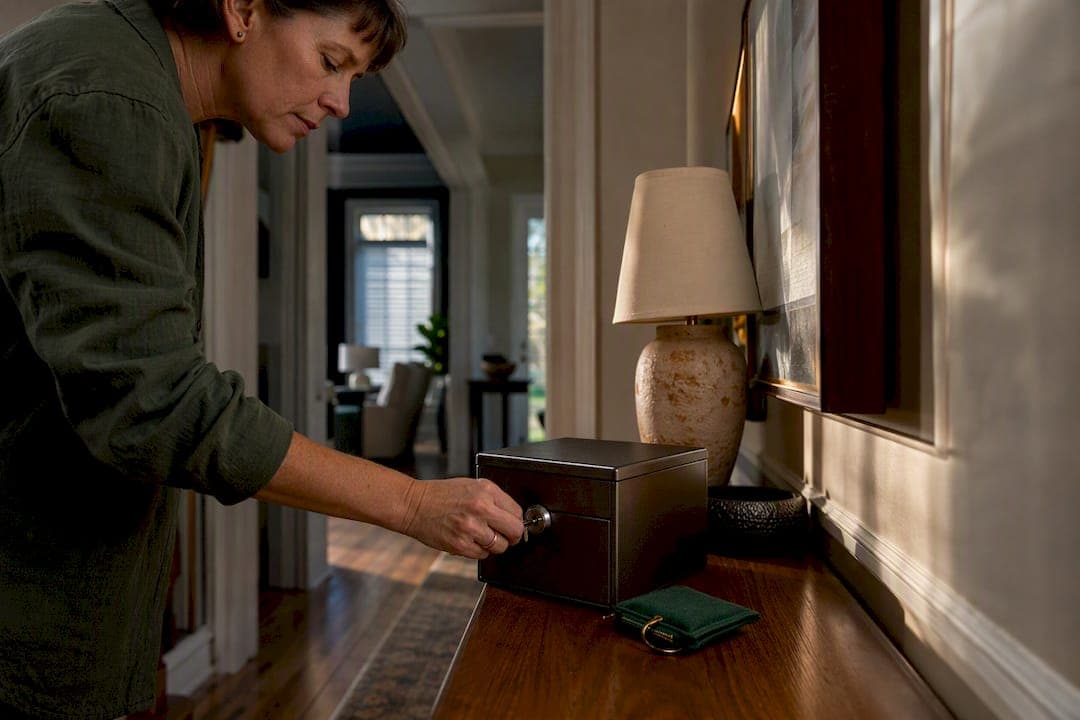
Before anything leaves the house, secure the documents and valuables first: wills, deeds, insurance policies, and anything with monetary or legal weight. From there, follow a fixed order: sort into keep, family, sell, donate, or discard; run any estate sale before donation pickups; and save the deep clean for last. Families who want a compassionate, hands-off version of this process often turn to a donation-first cleanout service like Bereavement Cleanout Services instead of doing it alone.
TL;DR:
- Securing and documenting all valuables and legal documents before starting reduces the risk of loss and legal disputes later.
- Sorting room by room with a clear plan and label system prevents emotional overwhelm and family conflicts.
- Estate sale viability depends on actual resale value, with high-value items better sold online or via consignment, while donation suits lower-value goods.
- Hiring licensed professionals is advisable for large or complex cleanouts, with costs varying based on volume, access, and services needed.
- A thorough, sequenced approach focusing on document protection, careful sorting, and emotional management leads to a smoother cleanout process.
Table of Contents
- How Do You Clear Out a Parent's House Room by Room?
- Weekend Zero: Securing Documents Before You Touch Anything Else
- How Do You Sort and Divide a Parent's Belongings Fairly?
- Estate Sale, Consignment, or Donation: Which Fits Your Situation?
- When Should You Hire a Professional for the Cleanout?
- How Long Does It Take to Clear Out a House?
- How Do You Handle Grief and Family Conflict During the Cleanout?
- What Does a Donation-First Cleanout Service Actually Do?
- What I'd Tell Any Family Starting This Process
- Get Help With a Compassionate, Donation-First Cleanout
- Where to Go for Donation Pickups and Appraisal Help
- Sources
How Do You Clear Out a Parent's House Room by Room?
Clearing out a parent's house works best as a sequence, not a scramble. Skip a step and you risk donating something that belonged to the estate, or spending a weekend hauling furniture you could have sold for real money. The order matters more than the speed.
1. Secure documents and valuables before anything moves. This is "Weekend Zero," and it comes before boxes, before donation trucks, before anything gets touched by more than one person. You'll find the full checklist in the next section, but the short version is: nothing leaves the house until the paperwork and small valuables are found and locked down.
2. Start in the rooms with the least emotional weight. The garage, laundry room, and linen closet rarely hold anything that triggers grief. Clearing these first builds momentum and gives you visible progress before you tackle a parent's bedroom or home office, where every drawer can turn into a pause for tears.
3. Set up physical staging areas. Use painter's tape and index cards, or color-coded sticky notes, to mark five zones: keep, family, sell, donate, discard. A folding table in the garage or driveway works as a sorting station where items get labeled before they're boxed.
4. Move room by room with a plan for each.
- Kitchen: Small appliances and everyday dishware usually go to donation unless a family member specifically wants them. Check drawers and freezer compartments for cash, jewelry, or documents. Older relatives sometimes hide valuables in unlikely spots.
- Bedroom: This is the slowest room, and that's normal. Clothing typically splits between donation and discard, but check pockets and shoeboxes before bagging anything. Jewelry boxes and nightstands deserve a careful, unhurried pass.
- Attic or basement: These spaces often hold decades of accumulation: holiday decorations, old furniture, boxes nobody's opened in years. Photograph before you dig, since insurance and probate records benefit from a visual record of what was there.
- Garage: Tools, sporting goods, and yard equipment tend to have decent resale value. This is a good candidate for online marketplace listings rather than automatic donation.
5. Pack and label with an inventory system. Number each box, note its contents and destination category on the outside, and keep a running list on paper or in a shared spreadsheet. This single habit prevents more sibling disputes than any conversation about fairness ever will. When multiple people are dividing items from the same estate, a simple label like "Box 14, kitchen, donation" removes ambiguity about who took what.
Pro Tip: Photograph the inside of every box before you seal it. If a dispute comes up two months later about who has grandma's mixing bowls, you'll have a timestamped answer instead of a guessing match.
A few examples of how this plays out: a garage full of tools might take two hours and end with a $200 sale to a neighbor. A single closet of formal wear and photo albums in a parent's bedroom can eat an entire afternoon, because every item invites a memory. Budget your time accordingly and don't schedule both in the same day.

If the house has years of heavy accumulation rather than typical household volume, the room-by-room approach still applies, but you'll want to read ahead to the section on hiring a full cleanout crew. Some jobs are genuinely too large for a family to do safely or efficiently on their own, and there's no shame in recognizing that early rather than three exhausted weekends in.
Weekend Zero: Securing Documents Before You Touch Anything Else
Nothing gets sold, donated, or hauled away until you've completed a document and valuables sweep. Skipping this step is the single most common mistake families make, and it's the one that causes the most legal and financial headaches later, since a document-first pass before disposal protects estate accounting and insurance claims.
Look for these items, and check unusual spots. Parents often hide valuables in places that make sense to them but nowhere else:
- Wills, trusts, and powers of attorney (check fireproof boxes, filing cabinets, and safe deposit boxes)
- Property deeds and mortgage statements
- Life insurance policies and beneficiary paperwork
- Bank and investment account statements
- Vehicle titles and registration
- Tax returns from the past three years
- Jewelry, cash, and coin collections, often tucked in freezers, book covers, or shoeboxes
- Digital account information: passwords, email logins, subscription records
Photograph every room before you remove a single item. This takes an hour or two with a phone camera and creates a record that protects you if a family member later questions what was in the house, or if an insurance claim requires proof of contents. It's a small task that reduces anxiety about later disputes far more than most people expect.
Confirm who holds legal authority before anything is sold or donated. If there's an executor named in a will, that person typically has the authority to make disposal decisions. If the estate is in probate or the legal picture is unclear, a short consultation with an estate attorney before you sell or donate anything of value can prevent a costly mistake.
Once documents are secured, lock down the property itself: change or rekey locks if multiple old keys were floating around, confirm homeowner's insurance is still active during the vacancy, and keep utilities running long enough to safely work in the house.

How Do You Sort and Divide a Parent's Belongings Fairly?
The fastest way to avoid family conflict is to agree on rules before anyone starts pulling items off shelves. Sorting isn't just a logistics problem, it's a fairness problem, and vague plans are what turn a hard week into a hard year.
- Hold a short family conversation before Day One. Agree on who's doing what, whether decisions get made by consensus or by the executor, and how disputed items will be handled. Assume everyone wants a fair outcome, even when tempers run short.
- Use a wish-list system. Ask each family member to name their top few items before sorting begins. This surfaces conflicts early, when they're easy to resolve, rather than mid-sort when emotions are already high.
- Sort into five labeled categories: keep, family, sell, donate, discard. This straightforward system, recommended across most professional guides, keeps decisions moving instead of stalling on every item.
- Set a firm pickup deadline for family items. Two weeks is typical. Items tagged for a specific person that aren't picked up by the deadline move to the sell or donate pile. Put this rule in writing before sorting starts, not after someone misses the deadline.
- Create a "decide later" box for sentimental items. Photo albums, letters, and keepsakes don't need an answer today. Box them, label them, and revisit them once the practical work is done and emotions have settled.
Furniture and clothing move fast through this system. Photographs and paperwork move slowly, and that's expected. Keep the "decide later" box available specifically for the categories that stall people: photos, letters, and anything tied to a specific memory rather than a specific use.
Pro Tip: Assign one person as the "tiebreaker" before sorting begins, ideally someone with no financial stake in the outcome, like a spouse or adult grandchild. Disputes get resolved in minutes instead of festering for weeks.
Estate Sale, Consignment, or Donation: Which Fits Your Situation?
Match each category of item to the disposal method that fits its value and your timeline, not the other way around. Trying to sell $30 worth of kitchenware through a consignment shop wastes more time than it earns.
Estate sales make sense when a home holds genuine resale value across furniture, tools, collectibles, or antiques. Expect to pay an estate sale company 30 to 40 percent commission, and many companies set a minimum expected gross before they'll take the job. If the house doesn't clear that bar, an estate sale isn't worth arranging.
Online marketplaces and consignment shops work well for individual high-value pieces, mid-century furniture, designer clothing, or specific collectibles, but they cost time. Photographing, listing, messaging buyers, and coordinating pickups can stretch over weeks for a handful of items.
Donation is the right call for anything in usable condition that isn't worth the time to sell. Groups like Habitat for Humanity ReStore accept furniture and household goods and frequently offer free scheduled pickups, saving you the hauling entirely. Keep the itemized receipt they provide; it matters for tax purposes and, in many cases, for probate documentation.
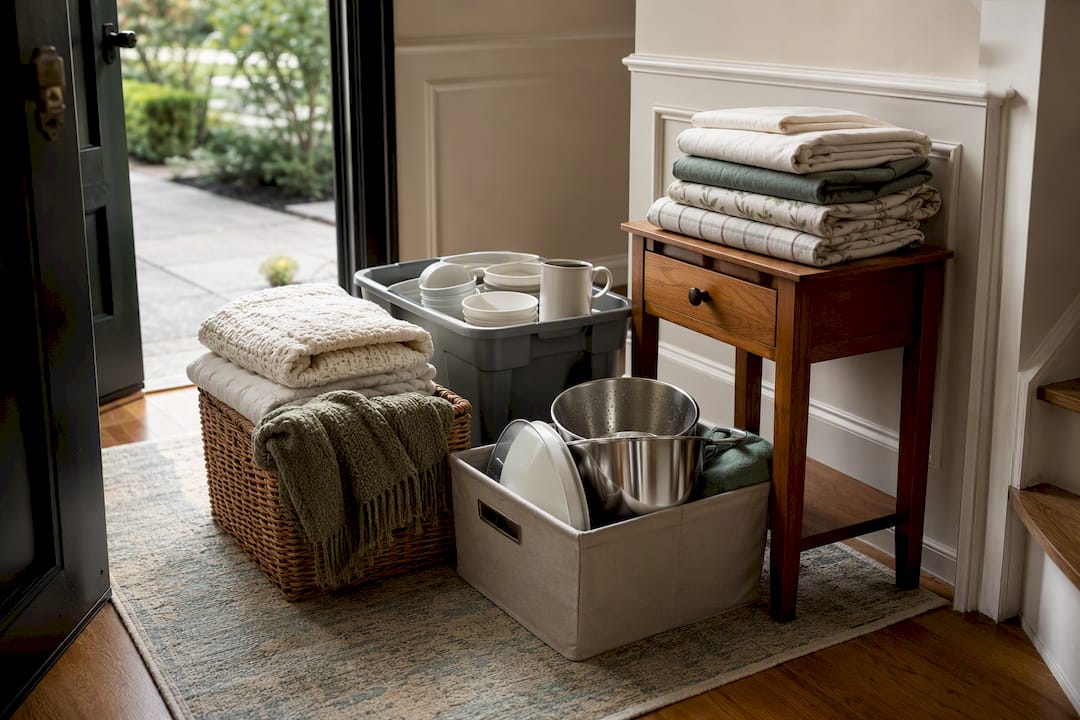
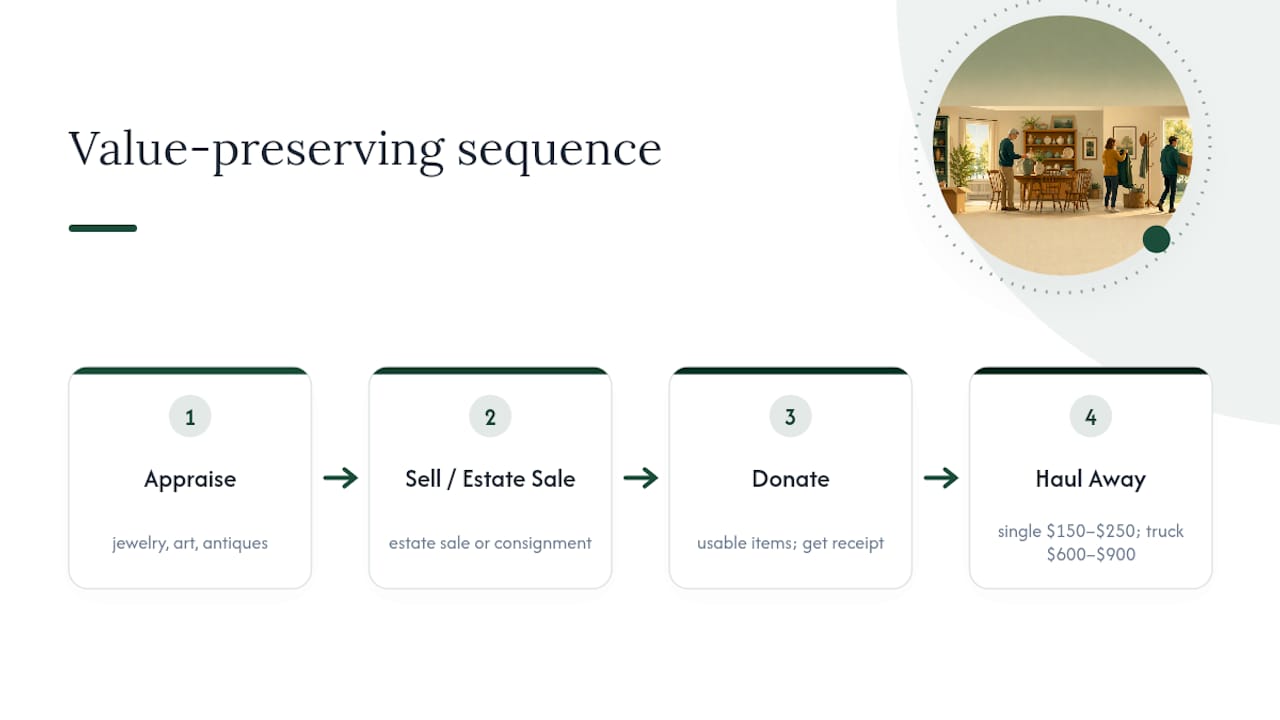
Junk removal handles what's left: damaged furniture, expired paint, broken appliances. Pricing typically scales with volume, and single-item pickups often run $150 to $250, with a full truckload landing between $600 and $900.
Before any of that, appraise anything that looks like it could hold real value: jewelry, art, antiques, coins, or firearms. A quick appraisal before donation or sale prevents the classic mistake of giving away a piece worth thousands because nobody checked. Sequencing here isn't optional: appraise first, sell or hold the estate sale second, donate what's left third, and haul away the remainder last. Flip that order and you lose value permanently. For guidance on sorting what's left over after a sale, this donation-first breakdown of estate sale leftovers walks through the five buckets in detail.
When Should You Hire a Professional for the Cleanout?
Hiring help isn't a failure to handle things yourself. It's a budget decision, and sometimes a safety one. Four types of professionals typically enter this process, each solving a different problem.
Senior move managers coordinate the entire downsizing or cleanout process, especially useful when a parent is still living and the move is planned rather than triggered by a death. Look for certification through NASMM, the National Association of Senior & Specialty Move Managers, which sets a code of ethics and professional standards for the field.
Estate sale managers handle pricing, staging, and running a sale, and they earn their commission when a house holds enough resale value to justify the effort. Ask for references and proof of insurance before signing anything.
Appraisers step in for anything with uncertain value: jewelry, art, antiques, or collections. Their fee is worth it when a single misjudged item could be worth more than their entire invoice.
Junk removal and full cleanout crews clear what's left after family, sale, and donation items are gone. Costs vary by volume and condition of the space:
- Single-item pickup: roughly $150 to $250
- Quarter-truck load: roughly $250 to $400
- Full-truck load: roughly $600 to $900
- Full-service whole-house cleanout: commonly $500 to $4,000 depending on size, accumulation level, and access
When getting quotes, ask about insurance coverage, whether the price is a flat quote or hourly, and what happens to items that could still be donated rather than dumped. A detailed cost breakdown can help you figure out what a fair quote looks like before you commit to a vendor.
Pro Tip: Get at least two quotes for any full-house cleanout over $1,000. Pricing varies more than people expect based on truck access, stairs, and how much sorting the crew has to do versus how much you've already done.
Red flags worth walking away from: no proof of insurance, no written quote, or a company that pressures you to sign same-day. A legitimate cleanout business will let you think it over.
How Long Does It Take to Clear Out a House?
Timeline depends almost entirely on scale. A small apartment with modest belongings might clear in a single long weekend. A typical two or three-bedroom family home usually takes two to four weekends spread over several weeks. A house with decades of heavy accumulation, or a hoarding situation, can stretch to six weeks or longer, and that's normal, not a sign you're doing it wrong.
Here's a four-weekend structure that works for most family homes:
- Weekend one, Weekend Zero. Locate and secure documents, valuables, and insurance information. Photograph every room. Identify anything that needs professional appraisal.
- Weekend two, family distribution. Sort into the five categories, run the wish-list process, and set the pickup deadline for family-claimed items.
- Weekend three, sale and sell. Run the estate sale if the house qualifies, or list high-value individual pieces online. Estate sale managers typically need one to two weeks onsite to sort and stage before the sale, so book that lead time before scheduling anything else.
- Weekend four, clear and close. Schedule donation pickups, junk removal for what's left, and the final deep clean before handoff.
Book donation pickups and dumpster rentals only after the estate sale wraps. Scheduling them earlier means duplicate trips or, worse, giving away something you meant to sell. A printable timeline checklist can help you map this against your specific closing or lease deadline.
How Do You Handle Grief and Family Conflict During the Cleanout?
Clearing a parent's house is rarely just a logistics project. It's grief work disguised as a to-do list, and pretending otherwise sets families up for blowups that have nothing to do with furniture.
Set expectations before the first weekend starts. Assign roles, agree on decision rules, and assume everyone at the table wants a fair outcome, even when someone's tone comes across sharper than intended under stress. Guides on the topic consistently note that this process takes longer than planned, and building in that slack ahead of time prevents the frustration that comes from an unrealistic schedule.
A few tactics genuinely help:
- Keepsake box first. Set aside a small box for the items everyone agrees matter most, sentimentally, before the practical sorting begins. It removes the fear of losing something irreplaceable in the shuffle.
- Delay decisions you're not ready for. Boxing sentimental items for a later pass, rather than forcing a decision on the spot, is a strategy many families use successfully to avoid rushed regret.
- Schedule breaks, not just work sessions. An hour of sorting followed by a walk or a meal together resets everyone's patience.
- Document disputed claims in writing. A quick signed note or text thread confirming who gets what prevents the "I thought you said" arguments six months later.
- Bring in a neutral mediator if tempers escalate. A trusted family friend, or in serious cases a professional, can defuse a standoff faster than another round of the same argument.
If the workload or the emotional weight becomes too much, pausing or handing the physical labor to a professional crew isn't giving up. It's protecting the relationships that matter more than the schedule.
Pro Tip: If two family members are deadlocked over one item, flip a coin and move on. The disagreement rarely justifies the hours lost relitigating it.
What Does a Donation-First Cleanout Service Actually Do?
A full-service, donation-first cleanout removes the physical and administrative burden from a grieving family without cutting corners on documentation or care. A full-service, donation-first cleanout removes the physical and administrative burden from a grieving family without cutting corners on documentation or care, sorting with respect, donating usable items, documenting everything, and leaving the property broom-clean.
The approach centers on a few core commitments:
- Donation-first sorting, meaning usable furniture, clothing, and household goods go to local charities rather than a landfill whenever possible.
- Careful handling of keepsakes, so photographs, letters, and sentimental items are set aside rather than swept into a general haul-away pile.
- Photography and inventory documentation, useful for probate records and insurance needs.
- Broom-clean handoff, meaning the property is ready for showing, sale, or new tenants when the crew leaves.
- Fully insured operations, which matters when a crew is moving furniture through narrow stairwells or handling a hoarding-level cleanout.
A full-service vendor makes the most sense when a family is managing this from a distance, facing a tight closing deadline, or simply doesn't have the bandwidth to run the process piecemeal across multiple hired specialists.
What I'd Tell Any Family Starting This Process
The advice that gets repeated most often, sort everything into neat piles and power through in a weekend, undersells how emotionally loaded this work actually is. The families who do best aren't the fastest ones. They're the ones who secure the paperwork first, resist the urge to donate before appraising, and give themselves permission to box up the hard stuff for later instead of forcing a decision under pressure.
Where I think conventional advice actually fails people is the assumption that speed equals progress. Rushing the estate sale before appraising valuables, or renting a dumpster before checking with siblings, causes far more regret than a slower, sequenced approach ever does. The order matters more than the pace.
If you take one thing from this: protect the documents and the relationships before you touch the furniture. Everything else, the sorting, the sale, the haul away, can be redone or outsourced. A missing deed or a sibling who feels steamrolled cannot.
— Derek
Get Help With a Compassionate, Donation-First Cleanout
If reading through the estate sale commissions, cleanout pricing, and four-weekend schedules above has you thinking "I'd rather not do this alone," that's exactly the gap Bereavement Cleanout Services was built to fill. Unlike piecing together a separate junk hauler, appraiser, and donation pickup on your own timeline, this is one team handling sorting, keepsake care, donation runs, and a broom-clean finish under a single insured service.

Some families use this type of service specifically because it removes the coordination burden during an already exhausting time, without sacrificing the documentation that probate and insurance often require. The donation-first promise means usable items go to local charities rather than a dumpster, respecting family wishes and the community. If you're ready to see what a professional walkthrough looks like, request a consultation and quote for current pricing and details before committing to anything.
Where to Go for Donation Pickups and Appraisal Help
For furniture and household goods still in usable condition, Habitat for Humanity ReStore offers scheduled pickups and donation receipts in many areas, making it a solid first call before renting a dumpster.
If you're vetting a senior move manager, check for credentials through NASMM, the industry's certifying body.
For organizing systems during the sorting phase itself, practical closet and storage tips from a home organization specialist can help you set up staging areas that actually stay tidy through a multi-weekend project.
Sources
- Cleaning Out a Parent's Home: A Compassionate Step-by-Step System | Shanty Probate Realty
- How to Clear Out a Parent's House: Step-by-Step | Senior Move Guide
- Habitat for Humanity ReStore
- Planning an estate cleanout | Frontier Waste