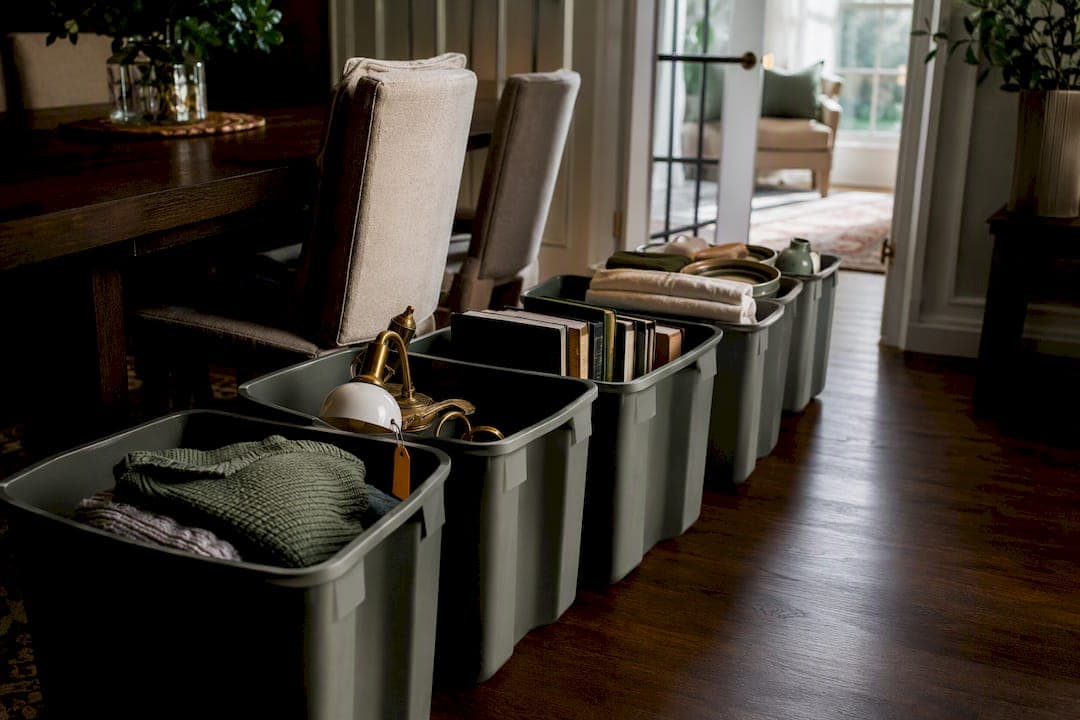
Your best options for leftover estate sale items are donation, resale through consignment or online marketplaces, professional junk removal, short-term storage, or accepting a buyout for the whole lot. The right choice depends on how much time you have, how emotionally taxing the sorting feels, and whether individual pieces are worth the effort to resell. Bereavement Cleanout Services approaches this donation-first, which covers most leftovers without a hard sell.
TL;DR:
- Donation remains the most common and lowest-effort option for estate leftovers, especially for furniture, clothing, and household goods.
- Higher-value items like jewelry and antiques should be handled through consignment or auction, which may take weeks and incur significant commissions.
- Full-service cleanouts and buyouts offer quick solutions for large estates, with professional crews managing sorting, disposal, and documentation.
- Short-term storage is suitable for delays caused by probate or sale preparations but becomes costly if kept beyond a few weeks.
- Always document donations with photos and receipts to support tax deductions and probate requirements, and avoid treating storage as a long-term solution.
Table of Contents
- Triage checklist: how to sort leftovers and choose a path
- Donation routes and logistics
- Consignment, auctions, and buyouts: choosing a resale route
- Junk removal and professional estate cleanout services
- When storage makes sense, and when it's a trap
- A donation-first workflow families can expect from a professional team
- Lessons from the field: what families get wrong
- How Bereavement Cleanout Services handles the leftovers for you
- Sources
Triage checklist: how to sort leftovers and choose a path
Sorting comes before deciding. Every household ends up with a mix of items worth keeping, items worth selling, items worth donating, and items that simply need to go. About 20% of what's left after an estate tag sale typically falls into the donate-or-dispose category, so plan for that pile from the start rather than treating it as a surprise.
Sort everything into five buckets:
- Keep: family keepsakes, documents, anything with sentimental weight
- High-value sell: furniture, jewelry, collectibles worth consignment or auction
- Low-effort sell: smaller household goods that move fast online or at a yard sale
- Donate: usable items in good condition with no resale urgency
- Dispose: broken, damaged, or otherwise unsellable items
Three questions settle most decisions fast:
- Is there a deadline, like a closing date or lease turnover?
- Does the item have realistic resale value, or is it just taking up space?
- Is this something the family needs time to process emotionally before it leaves the house?
Donation and disposal are usually free or low-cost. Consignment and auction take longer but can recover more money. Cleanout and buyout services cost more upfront but save weeks of labor.
Donation routes and logistics
Donation remains the most common, lowest-effort route for usable estate sale leftovers, and it keeps furniture, clothing, and household goods out of landfills. Local thrift stores, shelters, and nonprofit resale shops generally accept items in working, wearable, or usable condition. Some organizations go further. Certain charities accept vehicles and even real estate in specific cases, though policies vary by organization, so it pays to call ahead before scheduling a pickup.
Most charities will schedule a donation pickup within a few days if you provide an inventory or photos in advance. Ask for a receipt every time. It documents the donation for tax purposes and gives the estate's executor a paper trail useful during probate.
Charities typically accept:
- Furniture in clean, functional condition
- Clothing, linens, and small appliances that work
- Kitchenware, books, and décor
They typically reject mattresses, broken electronics, and heavily worn upholstered furniture. A donation-first approach also gives families a constructive way to let go of a loved one's belongings, rather than treating the leftovers as trash.
Pro Tip: Take a photo of every donated item before it leaves the house. It takes five minutes and gives you a record if a tax deduction or probate question comes up months later.
Consignment, auctions, and buyouts: choosing a resale route
Higher-value pieces, antiques, fine jewelry, and quality furniture, generally do better through consignment or auction than a quick online listing. A consignment shop or auction house has buyers already looking for those categories, and their pricing knowledge usually beats a guess. The tradeoff is time. Consignment can take weeks or months to sell, and the shop takes a commission, often 30% to 50%, before you see a check.
Selling items individually on platforms like Facebook Marketplace, Craigslist, or eBay can recover more money than a bulk donation or buyout, but it demands real time. You're taking photos, writing descriptions, answering messages, and coordinating pickups with strangers, often for items worth $20 to $50 apiece. For families already stretched thin, that math doesn't always work out.
An estate buyout is the opposite approach: a company offers a lump sum for everything left in the house, sight mostly unseen. You get speed and convenience. You give up the higher net revenue you might have earned selling piece by piece. For estates on a tight closing timeline, buyout services that take on full-house contents can solve the problem in a single visit.
- Consignment/auction: best for high-value items, slower payout, commission fees apply
- Online marketplaces: best for smaller items, highest time investment, full guide here
- Buyout: fastest option, lowest net revenue, ideal under deadline pressure
Pro Tip: If you're torn between consignment and a buyout, get one consignment quote first. It gives you a real number to compare against a buyout offer instead of guessing.
Junk removal and professional estate cleanout services
A junk removal or hauling service is a practical, lower-effort option for whatever's left with little resale value. Companies in this space typically route usable items to donation and take the rest to disposal, which spares families from making a dozen trips to the dump themselves.
Full-service estate cleanout companies go further, handling sorting, donation runs, hauling, and a broom-clean handoff in one visit. That matters most when a house is under contract and needs to be empty for closing or a final walkthrough.
Pricing usually depends on three factors:
- Volume of items and square footage of the home
- Access, meaning stairs, elevators, or long carries to the truck
- Whether the job is same-day or needs to be scheduled across multiple days
Hazardous materials, paint, chemicals, old electronics, need to go through proper disposal channels rather than a standard haul. A licensed, insured cleanout crew handles that legally so the family isn't liable for improper disposal later. Budgeting guidance for these jobs can help you get a firm quote instead of a rough estimate.
When storage makes sense, and when it's a trap
Short-term storage works when a family needs a pause, not a decision. Waiting on probate paperwork, staging a house for sale, or giving relatives time to claim keepsakes are all legitimate reasons to rent a unit for a few weeks. Storage stops making sense the moment "a few weeks" quietly becomes six months of paying rent on boxes nobody has opened.
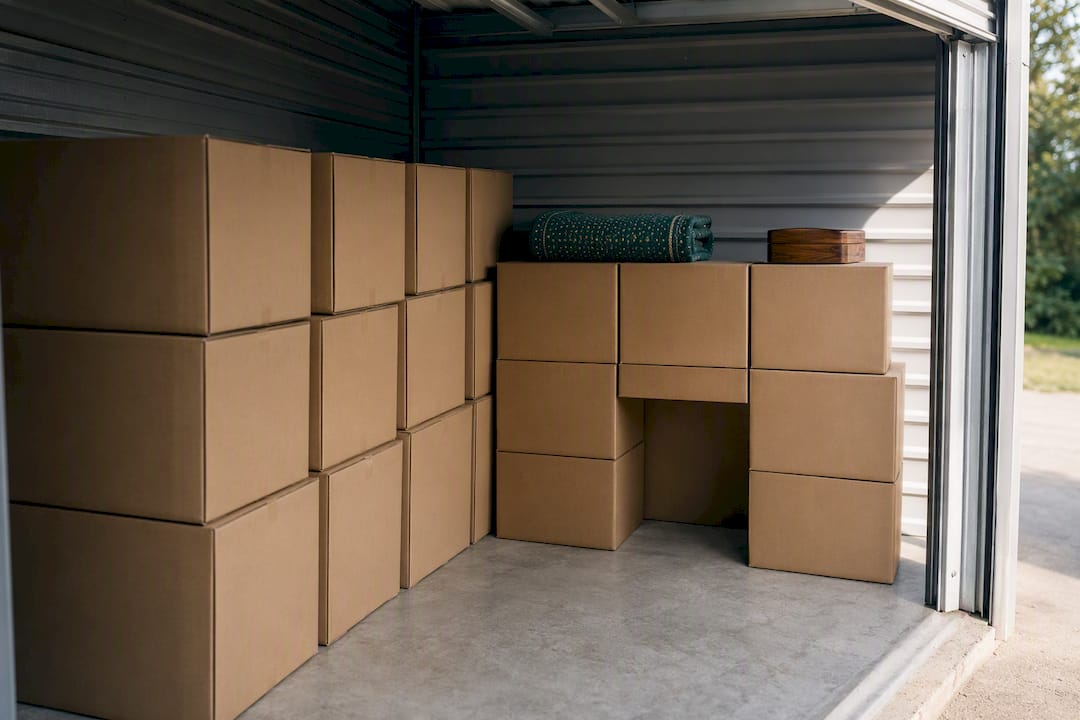
Before signing a storage contract, consider whether a staged clearance or scheduled donation runs would solve the same problem for less money. A partial buyout on the bulkier items can also shrink what needs storing in the first place.
If you do rent a unit:
- Photograph and inventory everything before it goes in
- Confirm the facility carries insurance, or add your own coverage
- Set a hard review date, not an open-ended one
A donation-first workflow families can expect from a professional team
Bereavement Cleanout Services runs on a donation-first philosophy: usable items go to local charities first, and only what can't be donated moves to disposal. Every job finishes with a broom-clean handoff, and documentation is prepared to support probate records, a detail families managing an estate for a sale or closing often need on a tight timeline. Crews are fully insured and operate with discretion.
A typical engagement looks like this:
- Walkthrough and quote based on volume and access
- Sorting into keep, donate, and dispose categories
- Donation runs to vetted local charities, with receipts collected
- Hauling and disposal of the remainder, including hazardous items
- Final broom-clean handoff, with documentation provided
Pro Tip: When vetting any cleanout provider, ask directly whether they're insured, what happens to donated items, and whether you'll receive documentation afterward. A provider that can't answer clearly isn't the right fit.
Lessons from the field: what families get wrong
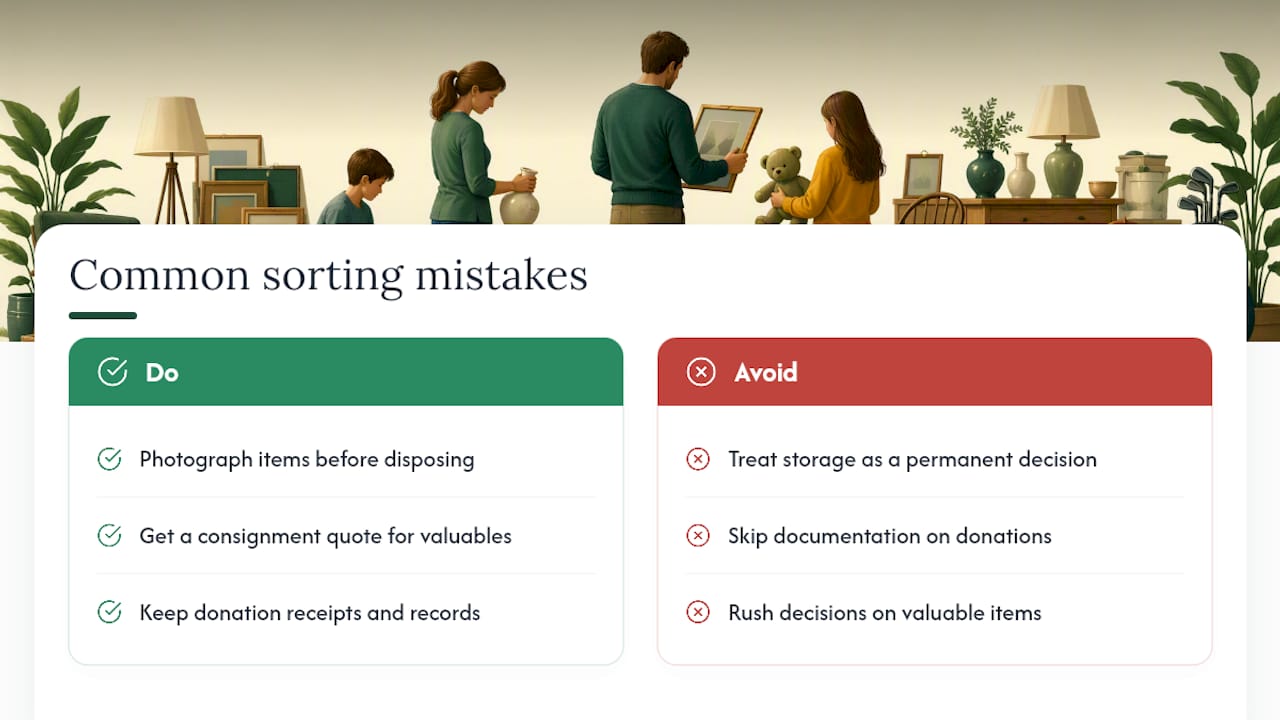
The biggest mistake I see is treating storage as a decision instead of a delay. A unit rented "just for now" often sits untouched for a year, quietly costing more than a cleanout would have. The second mistake is skipping documentation on donations, then scrambling for receipts during probate when an executor asks for records that no longer exist. The third is rushing a decision on a genuinely valuable item, an antique dresser, a coin collection, out of sheer exhaustion, when a single consignment quote might have doubled the return.
If you take one thing from this: before you donate, sell, or haul anything away, take five minutes to photograph it. That habit alone prevents most of the regret families feel afterward.
— Derek
How Bereavement Cleanout Services handles the leftovers for you
Bereavement Cleanout Services is the alternative to sorting a house alone or juggling separate donation runs, consignment drop-offs, and haulers, one team handles the entire leftover pile in a single visit. The donation-first approach means usable furniture and household goods go to local charities before anything is hauled away, and every job ends in a broom-clean handoff with documentation ready for probate.
Crews are fully insured, respond quickly, and work with discretion, which matters when a family is managing grief alongside deadlines from a realtor or estate attorney. Hiring a professional cleanout makes the most sense when you're facing a closing date, a large volume of items, or simply don't have the bandwidth to sort room by room. DIY routes still work for smaller estates with more time on the calendar. To see what a cleanout would cost for your situation, request a quote from Bereavement Cleanout Services and get a firm plan instead of an open-ended guess.
Sources
- What Happens to Estate Sale Leftovers? - Rawhide Youth Services
- What happens to estate sale leftovers? - ShopGoodwill blog
- Estate Sale Cleanup: A Guide to the Clearing House Process - SoCal Home Clearouts
- What Happens to Estate Sale Leftovers? - Fox Moving & Storage
- Estate Cleanout for Realtors & Probate Properties | Dumpster Rescue LLC