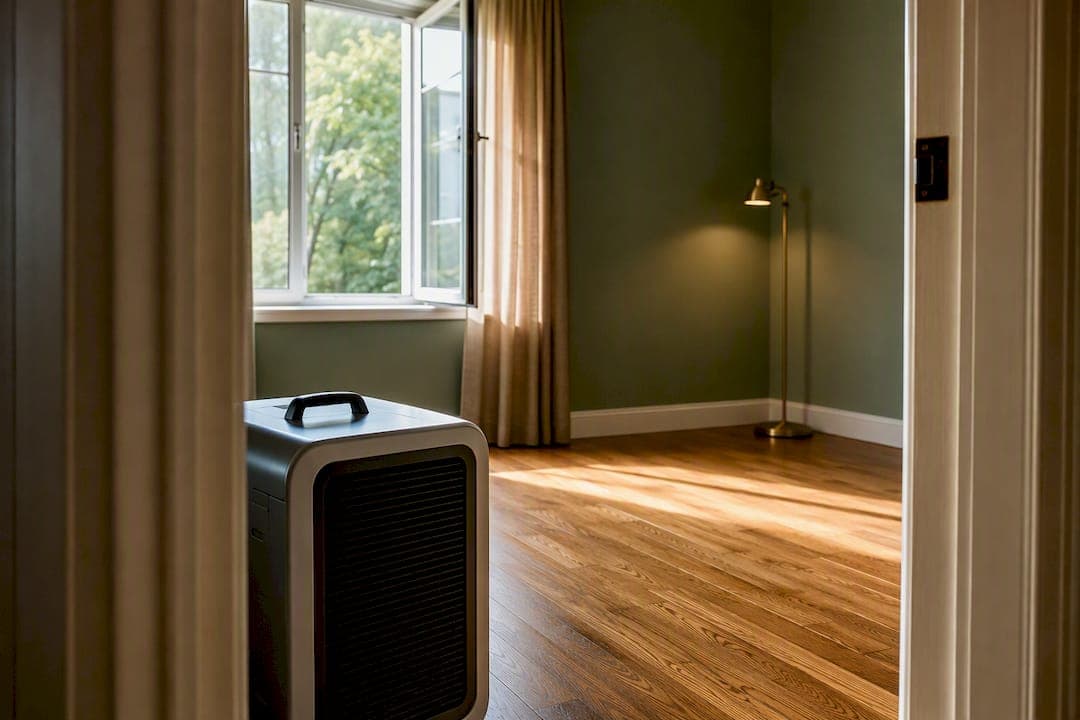
Fix persistent odors after a cleanout by working through one sequence in order: remove the source, deep clean the residue, dry the structure completely, then deodorize. Call a professional immediately if the smell traces back to a sewage backup, or if it returns after you refill the drain traps. EPA remediation guidance backs this order, and Bereavementcleanoutservices handles the escalated cases in New Jersey when a household fix isn't enough.
TL;DR:
- Removing the odor source, deep cleaning with enzymatic disinfectants, and thoroughly drying materials are essential steps before deodorizing for lasting results.
- Porous materials affected by sewage or mold often cannot be fully deodorized and may require professional removal to eliminate persistent smells.
- DIY methods like baking soda, vinegar, and activated charcoal work only on surface odors and are ineffective against deeply absorbed biological or sewage odors.
- Professional odor remediation is advisable if the smell returns quickly, spreads to multiple rooms, or if there is visible mold or water damage.
- Proper documentation and a clear timeline are crucial for estate cleanouts to protect families and avoid hastily discarding items that may still retain odors.
Table of Contents
- Is the Odor Surface Level or Deep Seated?
- The Four-Step Sequence for Odor Removal After Cleanout
- Which DIY Odor Fixes Actually Work?
- When Should You Call an Odor Remediation Professional?
- What Derek Has Learned Handling Odor-Affected Estates
- Why Permanence Matters More Than Speed in Odor Work
- Get Discreet, Insured Help With Post Cleanout Odor Removal
- Sources
Is the Odor Surface Level or Deep Seated?
Before you buy a single product, spend some time figuring out what you're actually dealing with. A constant smell that fills the whole house points somewhere different than a smell that only shows up when the heat kicks on or after rain.
Run through this quick diagnostic:
- Pattern: Is the smell constant, or does it appear only with heat, humidity, or running water?
- Breadth: Confined to one room, or noticeable throughout the house?
- Moisture: Any staining, softness in flooring, or dampness you can feel by hand?
- Drains: Run water in every sink, tub, and floor drain for a minute. Empty traps dry out during a long vacancy and let sewer gas rise straight into the room.
- Hidden spots: Lift a carpet edge, peek under cabinets, check the vents.
If the smell is faint and confined, open windows, run fans, set out baking soda, and run a dehumidifier for 24 hours before doing anything else.
The Four-Step Sequence for Odor Removal After Cleanout
Skipping straight to deodorizer is the most common mistake homeowners make, and it almost never works. Many people spray first and remove contaminated material later, and that sequence practically guarantees the smell comes back within days. The order matters because you can't neutralize what's still actively producing the odor.
-
Locate and remove the source. Check carpet pad, insulation, subfloor seams, and wall cavities near the smell's strongest point. Dry drain traps and disconnected HVAC components are common, overlooked culprits, and hidden dampness in wall cavities and seams under baseboards often outlasts a surface cleaning. If the source is a sewage backup, plan on removing affected porous material rather than trying to save it.
-
Clean the residue. Detergent alone typically fails on organic contamination because it moves grime around instead of breaking it down. Enzymatic cleaners digest organic residue far more effectively than masking sprays, which makes them the right choice for pet accidents, food waste, or biological residue. Sewage-affected surfaces need an EPA-registered disinfectant, not a general household cleaner.
-
Dry everything completely. This is the step people rush, and it's the one that determines whether the smell stays gone. Set up air movers and a dehumidifier, and check materials with a moisture meter rather than guessing by touch. Wood and drywall generally need to be dry before you move forward. Recheck every 24 hours; expect several days of drying for a single affected room, longer for a basement or a space with standing water history.
-
Deodorize last, and only after the space is dry. Activated carbon adsorbs odor molecules out of the air, while enzymatic counteractants target what's left of organic residue on surfaces. Hydroxyl generators break down odor compounds and are safe to run in occupied spaces, while ozone does the same job more aggressively but requires an empty building and trained handling because it irritates the lungs. Run an air scrubber or hydroxyl unit for 24 to 72 hours depending on severity, then reassess.
Pro Tip: Don't run a deodorizer and an active drying setup in the same enclosed room at the same time. Airflow tuned for drying pushes odor-neutralizing particles right back out before they can work. Dry first, then deodorize in a separate pass.
Which DIY Odor Fixes Actually Work?
Household methods earn their reputation because they genuinely work, but only within a narrow lane. Baking soda pulls moisture and mild odors from carpet and fabric. Vinegar cuts grease and neutralizes some acidic smells on nonporous surfaces like tile or countertops. Activated charcoal placed in a room absorbs airborne odor over several days. Enzymatic cleaners remain the strongest DIY option for organic residue such as pet stains or food spoilage, outperforming anything that simply masks a smell.
The limit shows up with porous materials. Carpet pad, insulation, and drywall that have absorbed sewage, mold moisture, or long-term biological odor usually can't be fully deodorized. Spraying over that kind of contamination buys you a few days of relief before the smell returns, often stronger, because the source is still active underneath.
- Never mix bleach with ammonia-based cleaners or other disinfectants; the combination produces toxic fumes.
- Never run a consumer ozone device in an occupied space; treat it as a professional-only tool.
- Wear gloves, an N95 or better respirator, and eye protection anytime you're handling sewage-affected material.
Consumer Reports has tested and reported on this gap for years: household remedies handle light, surface-level smells reliably, but they consistently fail once odor has soaked into a porous material.
When Should You Call an Odor Remediation Professional?
Some situations aren't worth troubleshooting yourself, no matter how many products you try. Call a restoration or estate cleanout professional if you see any of these:
- The odor came from a sewage backup or standing water.
- The smell returns within a day or two of refilling drain traps and deep cleaning.
- Odor has spread to multiple rooms or through the HVAC system.
- You see visible mold growth or water staining on walls, ceilings, or flooring.
A professional crew brings tools that most households don't own: moisture meters and thermal imaging to map hidden dampness, HEPA air scrubbers to clear airborne particulate, and controlled removal procedures for porous material that can't be salvaged. They'll also use hydroxyl generators or thermal fogging where warranted, with the vacancy and ventilation protocols those tools require.
Before hiring anyone, ask what documentation they provide, whether they carry liability insurance, and whether the quote includes moisture verification after the job. Get the full range of what a cleanout typically costs before you commit, so the number on the final invoice doesn't surprise you.
What Derek Has Learned Handling Odor-Affected Estates
Deciding what to save versus what to remove is where most of the real judgment calls happen. Derek's team looks at odor penetration first: does the smell fade when you press a cloth to the surface and lift it away, or does it come right back? Staining and padding saturation are the next tells. If a fabric or cushion holds odor after airing out for 48 hours, it typically doesn't come back to neutral.
The hardest calls aren't the ruined items. Those decide themselves. It's the piece that's 80 percent salvageable but still carries a faint smell weeks later. We'd rather document it, photograph it, and let the family decide than make that call for them.
That documentation matters for probate, too. Odor-affected keepsakes get logged with photos before any decision to donate, sell, or discard, which keeps the process defensible later. On safety, the team double-bags anything sewage-affected and sequences drying before deodorizing every time, no exceptions, even under time pressure.
Pro Tip: If an item smells but shows no staining or moisture damage, air it outdoors for a full day before deciding. Odor from nearby contamination often clings temporarily without having actually penetrated the material.

Why Permanence Matters More Than Speed in Odor Work
Rushing odor remediation to hand over a property faster almost always costs more later, either in a return visit or in a family member's regret over something discarded too quickly. Quick containment paired with clear documentation heads off disputes before they start.
Sentimental value changes the math on salvage decisions in ways a stranger wouldn't anticipate. A stained quilt that smells faintly of a basement might still be the one thing a family wants to keep, odor and all, and that choice deserves respect rather than a rushed haul-away.
— Derek
Get Discreet, Insured Help With Post Cleanout Odor Removal
Some odor problems go beyond baking soda and open windows, especially in a property that just went through a full estate cleanout. Bereavementcleanoutservices handles that gap directly, combining the moisture control and source removal steps outlined above with the sensitivity an estate situation demands. Where a typical restoration crew treats a house like any job site, this team works around keepsakes, documentation needs for probate, and a family's timeline.

The process starts with a walkthrough to identify odor sources and moisture damage, followed by a firm quote covering removal, cleaning, drying, and deodorization. Every keepsake gets sorted under a donation-first approach, so usable items go to local charities instead of the dumpster, and the handoff comes back broom-clean with documentation intact for estate or probate needs. If your cleanout left behind a smell that baking soda hasn't touched, get a quote from Bereavementcleanoutservices and get a firm timeline before the odor spreads any further.
Sources
- How to eliminate nasty household odors — Consumer Reports (2024-09-05)
- Master odor removal with a little help from science — Popular Science (2021-03-10)