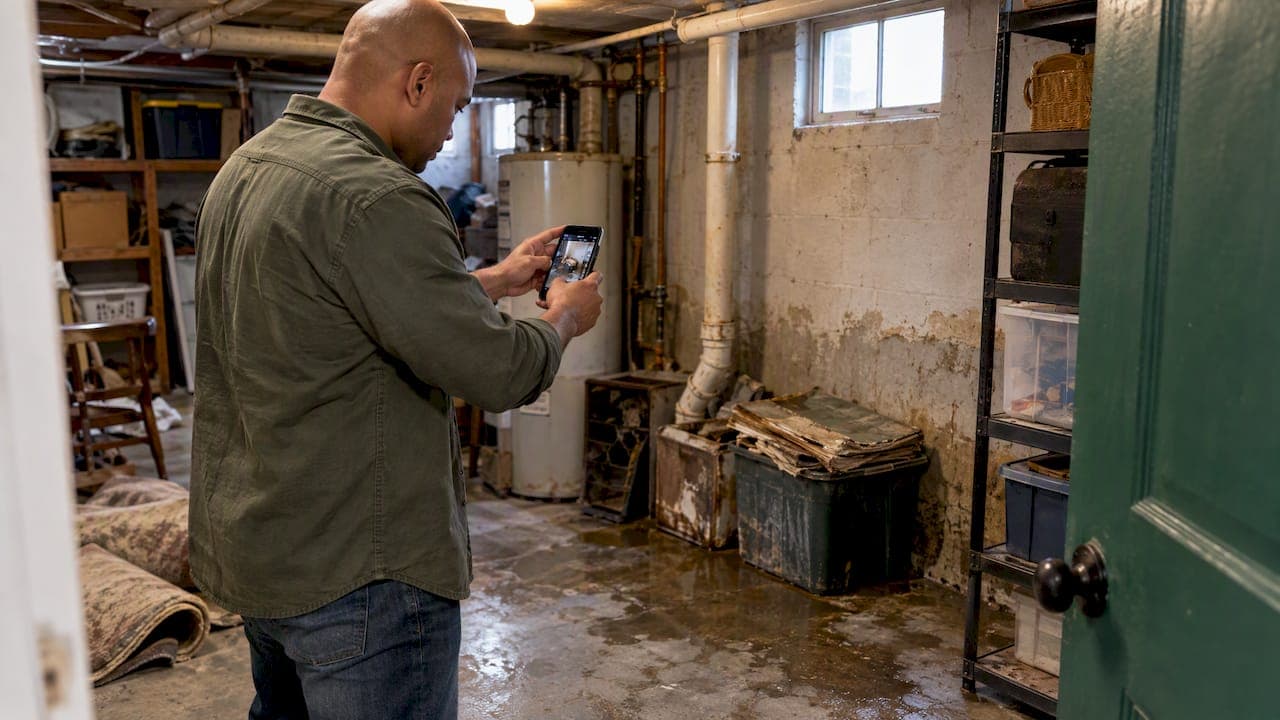
In most cases, insurance does not pay to clean out a hoarded home. Standard homeowners policies are built around sudden and accidental losses, and the slow buildup of belongings generally falls outside that. There are exceptions, though, usually when a covered event such as a fire or a burst pipe damages the property, and hoarding conditions can also change how your policy treats you. This guide explains where coverage tends to stop, where it may start, and how to plan if you are an executor, family member or landlord facing a cleanup bill.
TL;DR
- Homeowners insurance generally does not cover hoarding cleanup, because most policies pay only for sudden and accidental loss.
- A covered event, such as a fire or water damage, can bring some cleanup or debris removal into a claim. Hoarding itself usually does not.
- Hoarding can complicate claims, renewals and liability. Read the policy and ask the insurer questions in writing.
- If a claim is denied, New Jersey insurers must explain the exclusion in writing, and you can escalate to the state Department of Banking and Insurance.
- Plan to pay for the cleanup yourself. Photographs and documentation help with probate and with any claim that does apply.
Table of Contents
- Does homeowners insurance cover hoarding cleanup?
- When insurance may help: a covered event
- Exclusions insurers commonly rely on
- How hoarding can affect your policy itself
- Renters, landlords and condo owners
- Before you file: check terms and limits
- Documenting a claim
- If coverage is denied
- Our perspective on insurance and hoarding cleanup
- What hoarding cleanup costs when insurance does not pay
- Getting help from our team
- FAQ
- Sources
Does homeowners insurance cover hoarding cleanup?
Usually not. A homeowners policy is designed to respond to a specific, unexpected event: a fire, a windstorm, a pipe that bursts. Insurify's overview of hoarding and homeowners insurance explains that most policies cover only sudden and accidental losses, which generally rules out the gradual accumulation of belongings and the cleanup that follows.
That means the following costs are typically yours:
- Hauling and disposal of accumulated belongings
- Sorting, packing and donation runs
- Deep cleaning after the home is cleared
- Pest or odor remediation tied to long-term conditions
The reasoning is simple. Insurance pays for risks that are uncertain. When a home fills up gradually over years, the insurer's view is that nothing sudden happened.
This matters most for families who inherit a property. If a parent or relative passed away in a home that was heavily cluttered, the estate usually pays for the cleanout, the same way it pays for other estate expenses. Our guide on how families and executors tell hoarding from clutter can help you judge how large the job is before you call anyone.
When insurance may help: a covered event
The picture changes when something insured happens in a hoarded home. Hoarding does not automatically void a claim, but it affects how the claim is judged.
Fire and smoke
Some homeowners policies may cover hoarding-related claims such as fires and water damage, while not covering others, such as structural collapse, according to Insurify. In a fire, the insurer may pay for removing burned debris, and smoke damage can become part of the claim. If you are dealing with the aftermath, our article on removing smoke smell from a house covers what thorough odor work involves.
Water damage
A sudden pipe failure or similar event may be covered, but the insurer will look at whether stored items worsened or prolonged the damage. For flooded properties, the contents still have to be sorted and disposed of. Our guide on flood-damaged contents disposal for executors explains how that works alongside probate paperwork.
Debris removal
Debris removal coverage is narrower than many people assume. The Washington State Office of the Insurance Commissioner notes that it applies when a covered structure is damaged by an insured peril, such as fire or windstorm. Debris that was there before the event, like years of accumulated belongings, is a different matter. Policy wording varies by state and insurer, so confirm with your own carrier.

Exclusions insurers commonly rely on
When a hoarding-related claim is reviewed, insurers tend to point to a handful of exclusions and arguments.
- Neglect and wear and tear. California's consumer guide lists wear and tear, maintenance issues and neglect among the perils a homeowners policy generally does not cover. Other states' policies are often similar, but check yours.
- Increased hazard and intentional conduct. The CLM, a claims-industry publication, notes that standard policies may exclude losses from intentional conduct, increased hazards such as fire risk from excessive paper, neglect, or enforcement of building codes that make a home uninhabitable.
- Losses that were foreseeable. The same source explains that insurers may argue damage such as structural impairment or rodent infestation is a predictable result of accumulated materials, so it was not an unexpected loss.
- Microbial growth. An insurer may defend or exclude a claim if hoarding caused or worsened damage, for example mold when heavy contents limit ventilation and hold moisture, per the same CLM article.
- The reasonable person standard. In hoarding claims, the CLM also reports the question is often whether the insured should have known that conditions like narrow paths through debris posed a danger of collapse or damage.
None of these is automatic. Whether an exclusion applies depends on the policy language, the cause of loss and the facts. That is why a denial deserves a careful read rather than a quick acceptance.
How hoarding can affect your policy itself
Cleanup cost is only one part of the insurance question. Hoarding can also bear on whether coverage continues.
Access and inspection
Adjusters need to see the damage. Claims Journal reports that hoarding makes it harder to assess potentially covered losses because adjusters cannot visually inspect structural damage behind belongings. Insurify adds that a claim can be denied if an adjuster decides the home is unsafe to enter, which prevents a thorough assessment.
In practice, a cleanout done before or during a claim may be necessary for the inspection. Talk to the adjuster first, and photograph everything before anything leaves the house.
Renewal and liability
A carrier that learns of serious hoarding conditions may reassess the risk. Personal liability matters too. Under the standard liability section of a homeowners policy, California's guide explains that Coverage E provides a defense and may pay damages when you or a household resident is legally responsible for injury to others, with intentional acts as an exception. If a visitor, first responder or contractor is hurt in a hazardous home, liability becomes a real concern.
If you are handling a property after a death, notify the insurer about the vacancy and the home's condition early, and ask what the policy requires while the house sits empty. Policies often have vacancy conditions, so read yours.
Renters, landlords and condo owners
Who holds the policy changes what it can do.
| Situation | What the policy typically covers | What it typically does not |
|---|---|---|
| Renter | Personal belongings and personal liability. The NAIC explains that renters insurance covers contents and liability, not the structure. | Cleanout of accumulated items or building repairs |
| Homeowner | Structure and contents for sudden, accidental, covered perils | Gradual accumulation, neglect, hoarding cleanup |
| Condo owner | Interior items and improvements, depending on the policy, plus liability | Cleanup of conditions the owner allowed to build up |
| Landlord | Policy varies and often focuses on the building and liability | Tenant belongings and routine turnover costs |
For landlords, a hoarded unit after an eviction or abandonment is usually a business expense, or a deposit and lease matter, not an insurance claim. Our foreclosure and eviction cleanouts start from $950, which can help you budget for turnover. Condo owners should also read their association's master policy and bylaws, since hazards in one unit can affect neighbors.
Before you file: check terms and limits
A claim that is technically possible may still not be worth filing. Washington's insurance commissioner suggests that, before filing a renter insurance claim, you weigh the loss against your deductible and check your maximum coverage. The same logic applies to homeowners policies.
Review these points in the policy:
- Deductible. Is the likely payout larger than what you pay first?
- Limits. Are there sublimits for debris removal, contents or mold?
- Exclusions. Look for neglect, wear and tear, mold, rodents and vacancy.
- Conditions. Check deadlines for notice and proof of loss.
- Liability section. Know what is covered if someone is injured.
Also consider the effect on future premiums and renewal. For a modest loss, paying out of pocket may be the better outcome.
Documenting a claim
Good records help with insurance and with probate. New Jersey's Department of Banking and Insurance recommends these steps when you file:
- Report the loss promptly.
- Photograph damage before disposing of items.
- Make necessary temporary repairs.
- Save receipts.
- Keep written notes of every conversation about the claim.
Washington's guidance for renters adds that you should track communications and keep damaged items if it is safe.
In a hoarded home, the order of operations matters. Do not start hauling until the adjuster has seen the loss, unless there is a safety reason to act. Then document before and after. We provide photo and inventory documentation as part of our process, which many executors use for the estate file as well.
If coverage is denied
A denial is not always the end. In New Jersey, insurers must explain in writing how coverage is excluded if they deny all or part of a claim. Ask for that explanation if you have not received it, and compare it to the policy wording.
The state's guidance on disputes is to first try to resolve it with the insurer, then contact the New Jersey Department of Banking and Insurance. Keep your records organized, and consider asking an attorney who handles insurance disputes or the estate's probate attorney for advice on a large or complicated denial.
One more point in your favor: New Jersey's Insuring Your Home guide states that you are not required to use the insurer's recommended contractor for repairs. You can choose your own, as long as the work is properly documented.
Our perspective on insurance and hoarding cleanup
Families often call us hoping the cleanup will be covered. Most of the time it is not, and we would rather tell you that on the first call than let you wait weeks on a claim that is unlikely to pay. So we tell people to plan the cleanout as an estate or household expense, and to treat any insurance payout as a possible bonus.
What we can do is make the work easier to defend and easier to document. We sort for keepsakes and paperwork first. Usable items go to local charities through our donation-first approach. We photograph and record what was found, and we leave the property broom-clean. For executors, that record supports probate. For a covered fire or water loss, photos and itemized work help the adjuster understand what you are dealing with.
We also want families to know that a hoarded home is not a sign of failure. It is often a sign that someone needed help for a long time. We work discreetly, and we are fully insured, so you are not carrying the liability for our crew on your own policy. If you are early in the process, our guides to a hoarder house cleanout and discreet hoarding cleanup explain what to expect.
— Derek
What hoarding cleanup costs when insurance does not pay
Because coverage is unlikely, budget with real numbers. These are our published starting prices in New Jersey. Final quotes follow a walkthrough, since volume, access, hazards and the number of floors all change the work.
| Service | Starting price |
|---|---|
| Hoarding cleanup | from $1,500 |
| Full house cleanout | from $1,200 |
| Large estate cleanout | from $2,200 |
| Apartment / condo cleanout | from $650 |
| Single room, garage or basement | from $295 |
| Foreclosure / eviction cleanout | from $950 |
| Packing service | $55 per hour per packer |
| Estate photography and online inventory | $75 per hour |
If valuable items turn up, an estate sale (15-35%) or online listings and consignment (20-40%) can offset part of the cost. The rate is a commission on what sells.
For how long the job takes, see our hoarding cleanup timeline. If animals were involved, read our guide on probate-ready animal hoarding cleanup.

Getting help from our team
If you are managing a hoarded home in New Jersey, we can walk through the property, give you a firm quote and document everything for the estate, the insurer or the court. Our hoarding cleanup starts from $1,500, and we handle sorting, donation runs, disposal and a broom-clean handoff.

See our cleanout and hoarding cleanup services or check the towns we serve across New Jersey to request a walkthrough.
FAQ
Does homeowners insurance pay for hoarding cleanup?
Generally no. Most policies cover only sudden and accidental losses, which usually excludes hoarding. Cleanup may be included in limited cases, such as removing burned debris after a covered fire.
Can an insurer cancel my policy because of hoarding?
It can reassess the risk if it learns of hazardous conditions, and that may affect renewal. Policy terms and state rules differ, so ask your insurer in writing and contact the New Jersey Department of Banking and Insurance if you think the action was improper.
Does renters insurance cover a hoarded apartment?
No, not for cleanout of accumulated items. Renters insurance covers your contents and personal liability, not the building structure. Landlords typically handle turnover through the lease and security deposit.
What should I do before I file a claim?
Photograph the damage before anything is thrown away, make only necessary temporary repairs, save receipts and keep notes of every call. Check your deductible and limits to decide whether filing is worthwhile.
What can I do if my claim is denied?
Ask for the written explanation of the exclusion, which New Jersey insurers must provide. Try to resolve it with the insurer first, then contact the New Jersey Department of Banking and Insurance.
Sources
- Does Homeowners Insurance Cover Hoarding Cleanup? (Insurify)
- Debris removal insurance coverage (Washington Office of the Insurance Commissioner)
- How to Handle a Hoarder (The CLM)
- Hoarding: An Investigative and Insurance Policy Challenge (The CLM)
- Why Hoarding Impacts Claims (Claims Journal)
- Residential Insurance: Homeowners and Renters (California Department of Insurance)
- Understanding Your Homeowners or Renters Policy (NAIC)
- Filing a renter insurance claim (Washington Office of the Insurance Commissioner)
- NJ Department of Banking and Insurance press release
- Insuring Your Home (NJ Department of Banking and Insurance)