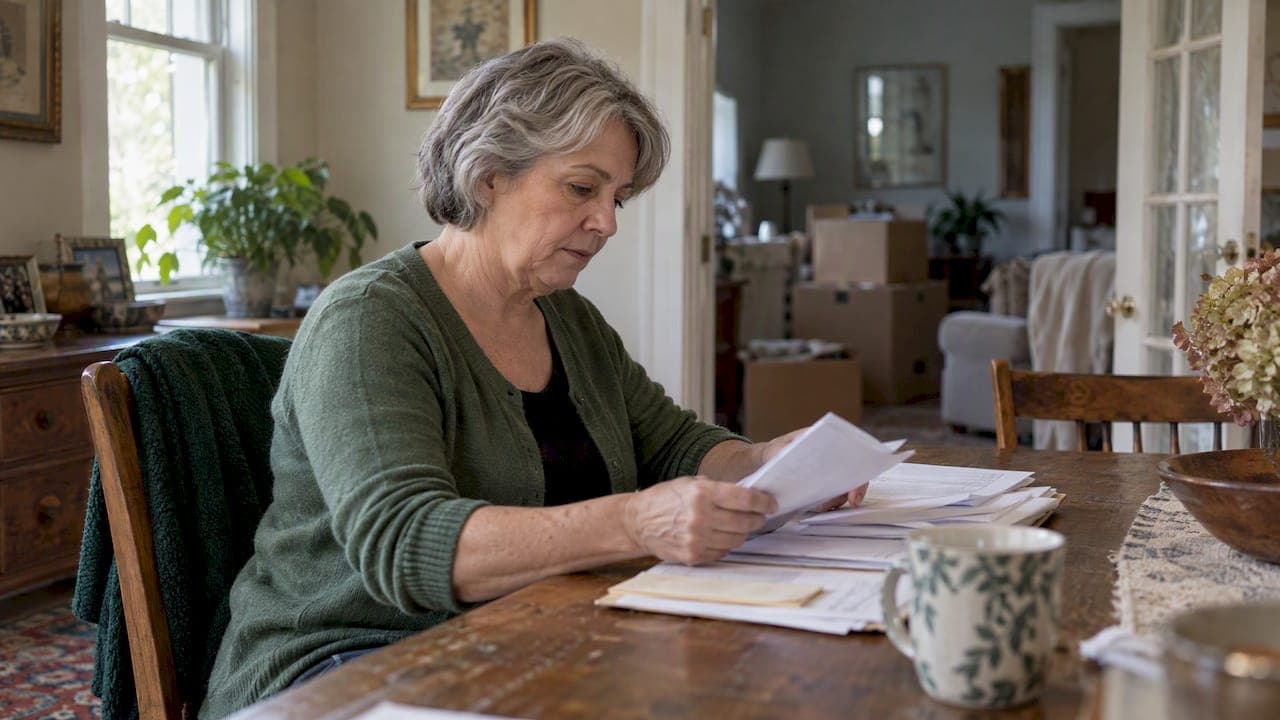
Sellers must remove every personal item and leave the home broom-clean before the buyer's final walkthrough, since buyers use that visit to confirm the property matches what they agreed to purchase. The three tasks that matter most right now: clear personal belongings room by room, book your hauling or deep clean on a firm date, and keep receipts for anything you donate or dispose of. If the timeline is tight or the estate involves a large volume of belongings, a professional cleanout service can finish the job faster than most sellers can alone.
TL;DR:
- Leave 50 to 70 percent of closet space empty, clear kitchen and bathroom counters, and retain appliances the purchase agreement says must stay.
- Sort usable items for donation before disposal, photograph and log them, and collect charity receipts for estate records or tax documentation.
- Never place lithium batteries in household trash or regular recycling; tape their terminals, bag them separately, and use a dedicated collection program.
- Consider a professional crew when belongings fill multiple rooms, heirs live remotely, closing is near, or the estate requires sensitive handling.
Table of Contents
- Your Cleanout Checklist and Timeline Before Closing
- Room-by-Room Actions for Fastest Impact
- Donation-First Workflow and Handling Hazardous Items
- When to Hire a Professional Cleanout Service
- What Estate Cleanouts Teach Us About Timing
- How We Help You Finish Before Closing
- FAQ
- Sources
Your Cleanout Checklist and Timeline Before Closing
A cleanout runs smoother when you break it into phases instead of tackling everything the final weekend. Buyers rely on the final walk-through as their last chance to verify the home's condition, so working backward from closing day keeps you from scrambling.
- Two or more weeks out: start decluttering room by room, schedule donation pickups, and set dates for an estate sale or online listing if you're selling items instead of just removing them.
- Seven to fourteen days out: book a dumpster, hauling service, or professional cleanout crew, and begin packing keepsakes into clearly labeled boxes.
- Forty-eight to seventy-two hours out: deep clean the kitchen, bathrooms, and other high-visibility rooms, clear remaining trash, and confirm donation pickups with receipts in hand.
- Day of closing: walk the property yourself before the buyer does. Check that fixtures, keys, garage openers, and locks are all accounted for and that the home is broom-clean.
Sellers who wait until the final week often find themselves negotiating last-minute credits or delays, so earlier phases matter more than they seem to at first glance.
Room-by-Room Actions for Fastest Impact
Not every room carries the same weight with buyers. Kitchens and bathrooms get the closest inspection, so focus your energy there first.
- Kitchen and baths: clear every counter, empty the refrigerator of expired food, wipe down surfaces, and confirm that any built-in appliances named in the purchase agreement stay in place.
- Primary bedroom and closets: pack nonessential clothing and items, and aim to leave 50 to 70 percent of closet space visibly empty, since that ratio reads as spacious to buyers doing a final check.
- Garage and attic: clear walkways and door access first, then pull out broken items and bulky debris into a single pile for hauling.
- Yard and curb appeal: mow, trim overgrown edges, and remove yard debris; a couple of simple outdoor chairs can stage the space without cluttering it again.
Pro Tip: Keep one labeled "keep" box per room for last-minute items you'll need before the move, and photograph keepsakes before boxing them so nothing gets misplaced in the rush.
Packing in this order avoids the common mistake of saving the hardest rooms for last, when time and patience are both running short.
Donation-First Workflow and Handling Hazardous Items
A donation-first approach means sorting items for charity before anything heads to a dumpster, and it pays off twice: usable belongings go somewhere useful, and you build a paper trail that matters for estate or tax purposes.
- Sort items into keep, donate, and remove piles as you go, rather than boxing everything for later decisions.
- Photograph donated items and request a receipt from the charity for your records.
- Log what was donated, including approximate condition and quantity, for the estate file.
- Wipe personal data from electronics and look for a certified e-waste drop-off or a Call2Recycle partner location.
Lithium-ion batteries need special handling. The EPA warns against placing these batteries in household trash or regular recycling, since damaged or loose terminals can spark a fire during collection or transport. Tape the terminals, bag batteries separately from other recyclables, and route them through a dedicated drop-off program.
Keep every receipt, whether from a hauler, a recycling center, or a donation charity. Executors in particular rely on this documentation when settling an estate.
When to Hire a Professional Cleanout Service
Some cleanouts are simple enough to handle solo over a weekend. Others call for professional hands.
- Tight timeline: if closing is weeks away and the home is full, a crew can finish in days what would take you a month.
- Large or multi-room volume: garages, attics, and whole estates often hold more than a single truckload can handle.
- Remote heirs: when family members live out of state, a documented, photo-backed process prevents disputes over what happened to specific items.
- Hoarding or sensitive estates: these situations need patience, discretion, and a structured sorting process that a rushed DIY effort rarely delivers.
A reputable provider walks the property first, gives a firm quote, then sorts into keep, donate, and remove piles before hauling and finishing with a broom-clean handoff. Ask about insurance coverage, how disposal is documented, where donations are routed, and expected turnaround time before you hire anyone.
Pro Tip: Request references from a provider's past estate or probate clients specifically, since that work calls for more discretion than a standard junk removal job.
What Estate Cleanouts Teach Us About Timing

Speed and respect for sentimental items pull in opposite directions more often than people expect. Families want the home ready quickly, but keepsakes deserve a second look before they leave the house for good.
A donation-first, documented process resolves that tension better than rushing through boxes. When every donated or removed item gets logged with a photo and a receipt, disputes over "what happened to Mom's china" rarely come up later. Our staging after cleanout guidance and keepsake sorting resources reflect that same balance: move fast on the clutter, slow down for what actually matters.
— Derek
How We Help You Finish Before Closing
We handle cleanouts and clutter jobs with a donation-first sorting and broom-clean handoff every time, backed by documentation useful for probate. Our full house cleanout service starts from $1,200, with options from a single room pickup to a large estate cleanout depending on what the property needs.
For debris and donation routing best practices outside our New Jersey and New York service area, Ohana Property Services offers similar photo-based quotes and fast turnaround for sellers preparing a property. When you're ready for an on-site walkthrough or an expedited quote, request a quote on our landing page and we'll confirm a timeline that fits your closing date.
FAQ
Do sellers usually clean their house before closing?
Yes, sellers are generally expected to leave the home broom-clean and free of personal belongings before the buyer's final walk-through. Anything not specifically excluded in the purchase agreement, including fixtures and built-in appliances, should remain with the property.
How do estate cleanouts work?
Estate cleanouts typically start with a walkthrough to assess volume, followed by sorting items into keep, donate, and remove categories. A documented process, including photos and receipts for donations and disposals, helps avoid disputes among heirs and supports probate paperwork.
How many days before closing should you do a final walkthrough?
Most buyers schedule the final walkthrough within 24 to 48 hours of closing, so sellers should aim to finish deep cleaning and hauling in the a few days before that visit. Starting decluttering two or more weeks ahead gives enough buffer for donation pickups and packing.
What happens two weeks before closing?
Two weeks out is the point to start decluttering room by room, schedule donation pickups, and book any hauling or professional cleanout service you'll need. Waiting past this point often means compressing deep cleaning and packing into the final few days, which adds pressure right before the walkthrough.
Sources
- Checklist: Your final walk-through — NAR
- Used lithium-ion batteries — US EPA
- How to clean out a house to sell — HomeLight