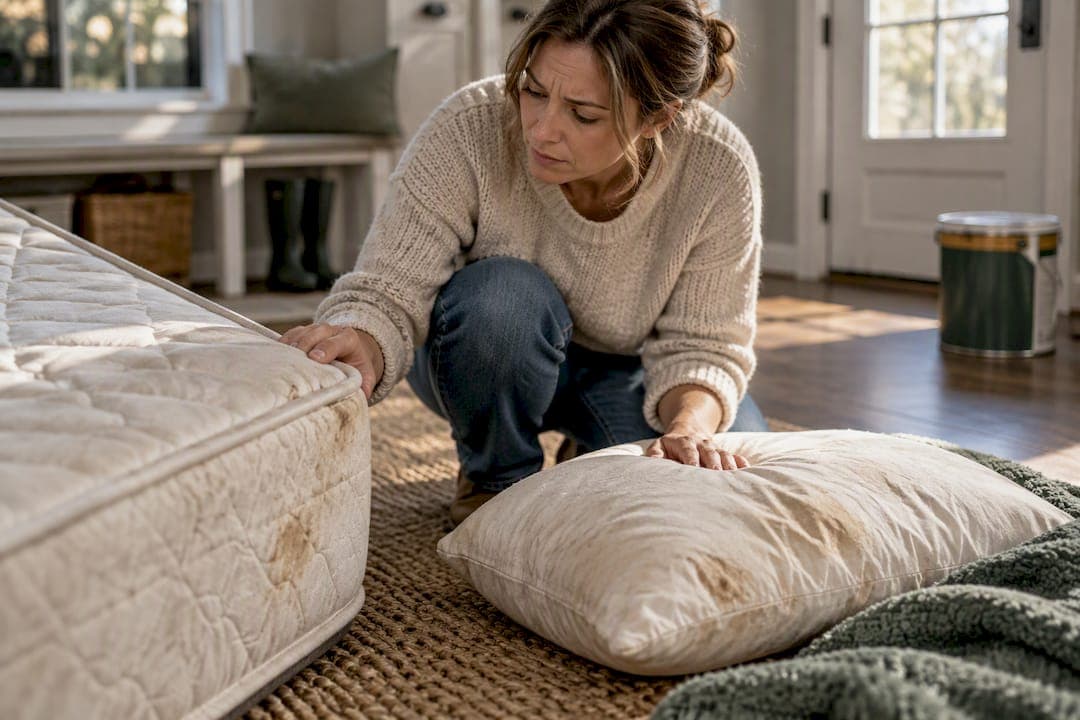
If an item is broken, unsanitary, recalled, or hazardous, most charities will turn it away, and if a request for money comes with pressure to pay by gift card, wire transfer, or cryptocurrency, treat it as a scam. Before you donate goods or cash, confirm the charity's status using the IRS Tax Exempt Organization Search, then check its record with Charity Watch or Charity Navigator.
TL;DR:
- Most charities refuse donations of mattresses, pillows, recalled baby gear, broken electronics, hazardous materials, or open personal care items due to safety and sanitation concerns.
- Checking donation guidelines online and confirming condition limits with local branches before dropping off items can prevent rejected donations and wasted trips.
- Avoid sending items like large appliances, perishable food, or vehicle parts, which most charities lack the capacity or licensing to handle or resell.
- High-pressure donation requests involving gift cards, wire transfers, or cryptocurrency are common scam signs, and legitimate charities never demand payments through these methods.
- Keeping a record of what items are accepted and photographing donations can help during estate probate and in case of disputes or verification requests.
Table of Contents
- Common household items most charities refuse
- Why charities turn away so many donations
- Checking before you drop off or schedule a pickup
- Spotting a charity scam before you give
- How estate cleanout teams keep good donations moving
- Where the usual donation advice falls short
- Getting hands-on help with a donation-first cleanout
- Sources
- FAQ
Common household items most charities refuse
Charities want to help, but they cannot resell or redistribute everything that shows up at the donation door. Certain categories get turned away almost everywhere, and knowing them ahead of time saves you a wasted trip.
- Mattresses, box springs, and pillows: bedbug and sanitation risk makes these a near-universal no.
- Recalled baby gear and car seats: safety standards and liability concerns rule these out, even in good condition.
- Broken electronics or items missing parts: without a cord, remote, or working component, resale value drops to zero.
- Large appliances beyond pickup or resale limits: age, size, or repair cost can push these past what a store can handle.
- Hazardous materials: paints, solvents, and fuels require special disposal that most donation centers are not equipped for.
- Opened personal care items and medications: hygiene and safety rules keep these off the shelf.
- Perishable food and houseplants: most thrift operations have no way to store or transport them.
- Vehicle parts, tires, and certain building materials: these usually need a specialty recycler, not a thrift store.
Donation guidelines published by major thrift organizations list mattresses, recalled baby equipment, hazardous materials, and open personal care products among the items they cannot process, largely for sanitation and liability reasons. Acceptance rules vary by organization and by location, so a branch across town may have different limits than the one near you.
Pro Tip: Keep a running list on your phone of what your nearest donation centers refuse, since it saves a wasted trip when you're clearing out a house in a hurry.
Why charities turn away so many donations
Charities are not free disposal services, and refusing an item usually comes down to one of three pressures: health risk, cost, or law. A stained mattress or a used pillow can carry bedbugs or allergens that put staff and future buyers at risk, which is why these get refused almost automatically.
Storage and transport also cost money. An oversized appliance or a piece of furniture with low resale value can eat up warehouse space and staff time that a small nonprofit cannot spare. Regulatory limits add another layer: recalled baby gear or expired medical equipment cannot legally be resold, no matter how good the condition looks. Hazardous materials like paint and fuel carry environmental disposal obligations that most donation centers simply are not licensed to handle, so they have to say no even when they would rather say yes.
Checking before you drop off or schedule a pickup
A little homework before you load the car or book a truck saves everyone time. Follow this sequence and you will rarely show up with something that gets rejected at the door.
- Find the charity's donation guidelines page or accepted-items list on its website before you leave home.
- Call or email the local branch to confirm condition requirements, size limits, and whether pickup is even offered for your item.
- Prepare the item: clean it, remove batteries, disassemble what you can, and box up fragile parts so it arrives ready to shelve.
- Document everything if you're handling an estate: photograph items, list what you donated, and request a receipt for probate and tax records.
Pickup and dropoff rules differ more than most people expect. A dropoff center may take a piece of furniture that a pickup truck would refuse simply because of the extra labor involved in hauling it upstairs or through a narrow doorway. Local branches also set their own limits on appliance age, mattress condition, and even how many boxes they will collect in a single trip, so the guidance on a charity's national site does not always match what your neighborhood location will actually do.
Pro Tip: Take photos of items before you donate them, both for your own tax records and in case a charity later asks for proof of condition.
If you are sorting through a family member's estate, our guide on protecting sentimental clutter with documentation walks through templates for tracking what gets donated and why that record matters for probate.
Spotting a charity scam before you give
Most people who lose money to a fake charity never see it coming, because scammers borrow the language of real nonprofits and change only the payment method. That single detail is usually the clearest warning sign available.
- Payment red flags: any request for gift cards, wire transfers, cryptocurrency, or payment through an unfamiliar app.
- Behavior red flags: high-pressure "act now" language, vague descriptions of where the money goes, names that closely mimic a well-known charity, or unsolicited social media fundraisers with no verifiable organizer.
- Verification checklist: look the charity up on IRS Tax Exempt Organization Search, then cross-check it against Charity Watch and Charity Navigator for financial transparency.
- Search before you give: type the charity's name alongside "complaint" or "scam" and read the donation URL closely for misspellings.
The Federal Trade Commission warns that legitimate charities never demand payment by cash, gift card, wire transfer, or cryptocurrency, and that high-pressure tactics and look-alike names are common scam tools. Being listed as tax-exempt is not proof of good stewardship on its own, since a legitimate registration says nothing about how much of your donation reaches actual programs. If something feels off, report it at reportfraud.ftc.gov and avoid clicking unfamiliar links in the meantime.
How estate cleanout teams keep good donations moving
Sorting a full household is different from clearing out a closet, and professionals who do this for a living work through it in stages instead of one big pile. Items typically get sorted into donate, sell, recycle, or dispose buckets, with borderline cases like an aging appliance or a piece of furniture with sentimental value getting a closer look before a decision is made.

Before anything leaves the house, a pre-pickup check confirms condition, screens for recalls, and measures items against the size and weight limits a charity has already set. Good recordkeeping follows: donation receipts, a packsheet noting what went where, and photographs that serve both the donor's records and the receiving charity. Our checklist for donation-first estate cleanouts covers when it makes sense to hold an item back for probate rather than donate it right away. A professional cleanout tends to pay for itself in time saved on a large estate, a hoarding situation, or any cleanout with a tight deadline.
Where the usual donation advice falls short
Most guides to donation rules treat the topic as a checklist problem: know what's banned, avoid it, done. That misses the bigger issue, which is that families under time pressure, especially those clearing a loved one's home, tend to either dump everything on the nearest charity or throw it all away out of exhaustion. Neither serves the charity or the estate well.

The item-by-item rules matter less than the habit of checking first and documenting as you go. A mattress or a recalled car seat is an easy call. The harder call is the box of kitchen appliances nobody has time to test, or the furniture that might sell but might also sit in a warehouse. Sorting decisions like these before pickup, not after a truck shows up and gets turned away, is what actually keeps a cleanout on schedule.
If there's one thing worth prioritizing above the rest, it's the paper trail. A donation receipt and a simple item list protect the estate during probate and save the family from re-doing work under worse conditions later.
— Derek
Getting hands-on help with a donation-first cleanout
Clearing a loved one's home is hard enough without also researching which charity takes what. Bereavement Cleanout Services builds every estate cleanout around a donation-first approach, sorting usable items for local charities while handling the parts that charities won't touch through responsible disposal, so families are not left guessing.
- Broom-clean handoffs once sorting, donation runs, and disposal are complete.
- Documented receipts and packsheets for probate and tax purposes.
- Coordination with local charities so accepted items actually get picked up or dropped off correctly.
- Compassionate teams suited to hoarding situations, large estates, or urgent timelines.
If you're managing an estate, a foreclosure turnover, or a home that has simply accumulated more than one person can sort alone, schedule a consultation and we will walk the property with you before anything is priced or scheduled.
Sources
- IRS — Charities and Nonprofits: Tax Exempt Organization Search
- When donating, support those in need — not a scammer (FTC)
- Donations Goodwill cannot accept — DC Goodwill
- CharityWatch
- Charity Navigator
FAQ
Which charities should you not donate to?
There is no single blacklist, but the safer approach is checking any charity against IRS Tax Exempt Organization Search and independent raters like Charity Watch and Charity Navigator before giving. Avoid any organization that pressures you to pay by gift card, wire transfer, or cryptocurrency, since those payment methods are common scam markers flagged by the FTC.
What are the most honest charities?
Honesty is best measured through independent transparency scores rather than reputation alone. Charity Watch and Charity Navigator both publish financial efficiency and accountability ratings that let you compare organizations before you give.
Is St. Jude's a reputable charity?
Any specific charity's standing is best confirmed directly through its own IRS tax-exempt status and its current ratings on Charity Watch or Charity Navigator rather than through general reputation. Checking those sources before donating applies the same way regardless of which organization you are considering.
How much has Trump given to charity?
This article does not cover individual donor giving records, and no verified figure for this appears in the sources used here. For questions about a specific person's charitable giving, consult public tax filings or reporting dedicated to that topic.
What items do charities most commonly refuse?
Mattresses, pillows, recalled baby gear, broken electronics, hazardous materials, and opened personal care items are refused by most thrift organizations for safety and sanitation reasons. Published donation guidelines from major charities list these categories consistently, though exact rules vary by branch.