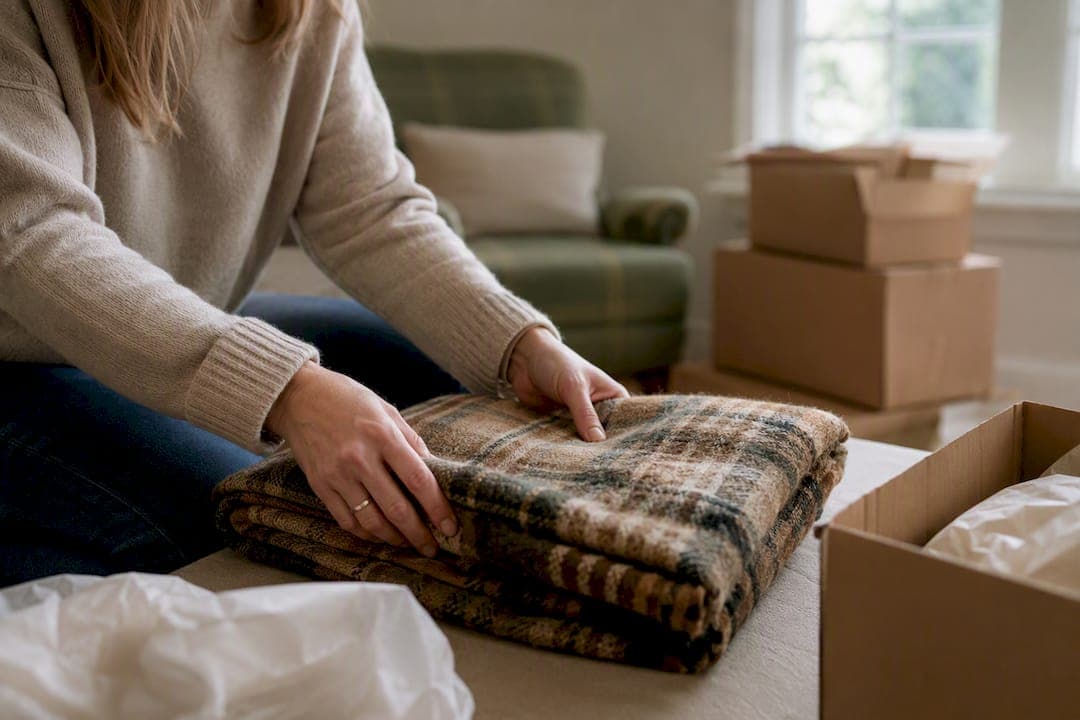
If you have a wheelchair, walker, or hospital bed to give away, the fastest path is a reuse nonprofit, a local loan closet, or a Goodwill medical program, not the trash or a shuttered hospital storage room. Most donors need to do three things: pull up the recipient's accepted-items list, call or submit an intake form, and confirm whether pickup requires a fee or an appointment. Home pickup exists for bulky items through select nonprofits, though approval and a fee often apply, with fees varying by organization. Start there before you load anything into a car.
Key Takeaways
Donating medical equipment in New York works best when you match the item to the right recipient type, confirm acceptance before you travel, and document everything for probate or tax records.
| Point | Details |
|---|---|
| Match item to recipient | Loan closets suit short-term reuse; nonprofits like Afya, MedShare, and Project C.U.R.E. handle bulk or specialty donations. |
| Confirm before you go | Call or check the intake form since accepted items and hours vary by program and location. |
| Clean and document first | Photograph condition, note serial numbers, and remove personal medical information before donating. |
| Ask about pickup fees | Home pickup for large items, such as Afya's Tri-State service, often carries a fee near $250. |
| Consider professional help | A donation-first cleanout service reduces burden when volume, mobility, or probate documentation makes DIY sorting impractical. |
Table of Contents
- How to Donate Medical Equipment in New York the Right Way
- What Medical Equipment Can You Actually Donate?
- How Do You Prepare Equipment Before Donating It?
- What Are Your Pickup and Drop-Off Options?
- Where Can You Find Reuse Centers and Loan Closets Near You?
- Why Do Donation Programs Have Strict Rules?
- When Should You Hire a Donation-First Cleanout Service?
- Ready to Donate Without the Guesswork?
- What New York Donors Get Wrong About This Process
- Frequently Asked Questions
- Sources
How to Donate Medical Equipment in New York the Right Way
New York has several tiers of recipients, and matching your item to the right one saves you a wasted trip.
- Loan closets and independent living centers work best for local, short-term reuse. A neighbor recovering from surgery might borrow a walker for six weeks, then return it.
- Humanitarian nonprofits like Afya Foundation, MedShare, and Project C.U.R.E. accept surplus supplies and select equipment for redistribution, often overseas or to clinics in need. They are the right call for large batches or items that meet strict intake guidelines.
- Thrift medical divisions, such as Goodwill Home Medical Equipment, accept gently used durable equipment, refurbish it, and resell it locally.
- Community groups, veterans centers, hospital-affiliated partners, and church ministries can be useful, but hours and acceptance rules vary widely, so confirm before you show up.
One thing trips up almost every first-time donor: most hospitals will not accept in-kind donations directly. They'll point you to one of these partner organizations instead.
What Medical Equipment Can You Actually Donate?
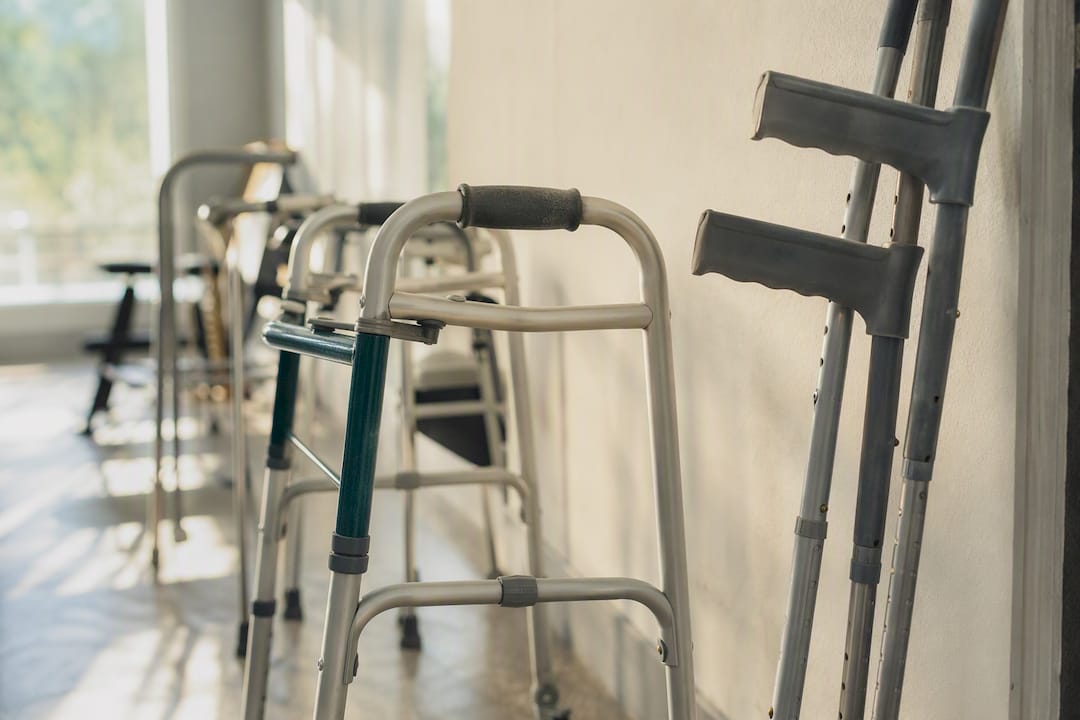
Not every item that sits in a garage or hospice room can be redistributed safely. Here's what most New York programs will take, and what they'll turn away at the door.
Commonly accepted:
- Manual wheelchairs, walkers, and canes
- Bedside commodes and shower chairs
- Transfer benches
- Some non-powered hospital beds, though this varies by program
Frequently refused:
- Oxygen tanks
- Used or opened CPAP masks and tubing
- Needles and other sharps
- Prescription medications
- Mattresses
- Recalled or non-serviceable powered equipment
Acceptance policies differ from one organization to the next, so treat this list as a starting point, not a guarantee. Always confirm with the specific recipient before you pack the car.
Pro Tip: Wipe down any equipment casing, and remove medical ID stickers, prescription labels, or paperwork tucked into pouches or side pockets before you donate. Personal health information left on a walker or CPAP box is a privacy risk you don't need.
How Do You Prepare Equipment Before Donating It?
A little prep work is the difference between a donation that gets accepted on the spot and one that gets turned away.
- Clean and disinfect each item according to its material. Wipe metal frames and vinyl seats; never soak electrical components or motorized parts.
- Photograph the item from multiple angles, and note the make, model, and serial number if visible. Document any missing parts or visible wear.
- Gather accessories. Chargers, slings, remotes, and footrests should travel with the main item, labeled together so nothing gets separated.
- Complete the intake form many nonprofits require before drop-off or pickup. Bring ID if the recipient asks for it.
- Keep records if you're managing an estate and may claim a charitable deduction. Confirm the recipient's 501(c)(3) status and request a donation receipt.
What Are Your Pickup and Drop-Off Options?
Where you take the equipment, and how it gets there, depends on size, volume, and how much time you have.
- Drop-off works for smaller items, but check operating hours first. Many loan closets and thrift programs require an appointment or a completed intake form before you arrive.
- Home pickup solves the problem of hospital beds, lift chairs, and other bulky equipment you can't move alone. Afya Foundation offers Tri-State home pickup for large items, typically with a $250 fee, and asks donors to email ahead to schedule.
- Donation drives or corporate collection events can move a large volume at once, but coordinate directly with the receiving nonprofit beforehand so they know what's coming and when.
- When you're clearing out an entire home, or the volume and emotional weight make DIY sorting overwhelming, a donation-first cleanout service can manage transport and intake on your behalf.
Where Can You Find Reuse Centers and Loan Closets Near You?
Finding the right recipient often comes down to knowing where to look. Start with TRAID, New York's Assistive Technology Program, which maintains regional centers and loan-closet directories across the state. From there, check municipal reuse directories like DonateNYC, independent living centers, and county-level loan-closet lists, which many towns publish and update seasonally.
When you call, ask:
- Do you require an appointment?
- What condition standards apply to donated items?
- Do you accept large or powered equipment?
- Do you offer pickup, or is drop-off the only option?
- What documentation do you need at intake?
A few starting points worth bookmarking: Afya Foundation's Yonkers warehouse, MedShare's donation offer form, Project C.U.R.E.'s donor guidance, Goodwill Home Medical Equipment's regional showrooms, and your county's loan-closet page.
Pro Tip: Some programs serve only specific counties or a defined service radius. Confirm coverage before you drive across state lines with a folded wheelchair in the trunk.
If you're researching general categories of mobility equipment before deciding what to keep or donate, this recovery-focused mobility equipment guide offers useful background, though it's a UK resource and won't reflect New York program rules.
Why Do Donation Programs Have Strict Rules?
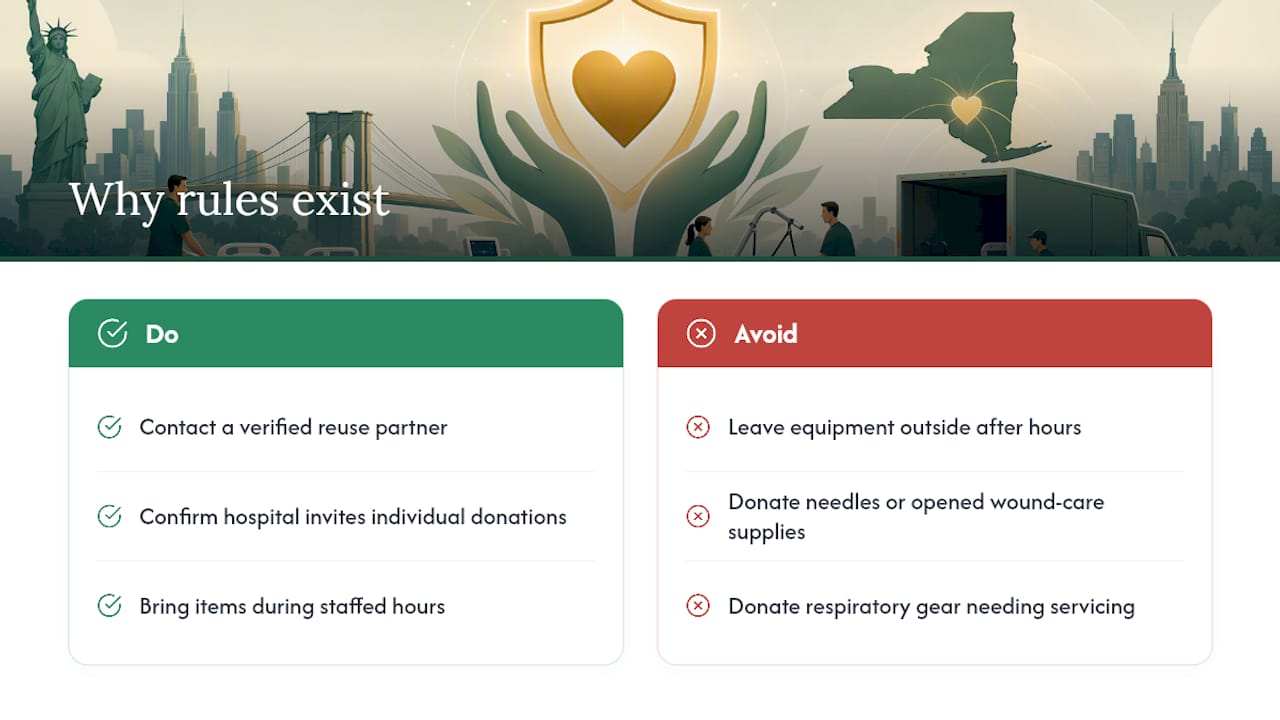
The exclusion list isn't bureaucratic overcaution. Infection control drives most of it: needles, opened wound-care supplies, and certain respiratory equipment carry real transmission risk if reused without sterilization. Reputable programs inspect and refurbish durable equipment before it reaches another patient, and some items need manufacturer servicing before they're safe to redistribute.
Never leave equipment outside a facility's doors after hours. Unscheduled drop-offs create liability and disposal costs for small, often volunteer-run organizations, and the item may simply end up in a dumpster. If a hospital's own page doesn't explicitly invite individual donations, contact a verified reuse partner instead.
When Should You Hire a Donation-First Cleanout Service?
Sorting a loved one's medical equipment while grieving is its own kind of exhausting. A donation-first cleanout service handles the parts that turn into logistical headaches: sorting usable items from what needs disposal, matching each piece to the recipient most likely to accept it, scheduling pickups or drop-offs, and documenting what left the home for probate or tax purposes.
Professional documentation of donated items, paired with receipts from qualified nonprofit recipients, gives executors a clear record when they account for estate distributions.
Bereavementcleanoutservices built its process around this exact need across New Jersey estate cleanouts: sorting keepsakes carefully, coordinating donation-first hauls, and providing documentation families can hand to an attorney or accountant. Hiring help makes the most sense when volume is high, mobility is limited, time is short, or the emotional weight of sorting a parent's or spouse's belongings makes DIY donation impractical.
Ready to Donate Without the Guesswork?
You don't have to figure out which nonprofit takes a hospital bed while also managing probate paperwork and grieving. Bereavementcleanoutservices handles the full donation-first workflow for New Jersey estate cleanouts, sorting items for the right recipients, scheduling pickups, and documenting every donation for your records. If you're facing a whole-house cleanout that includes medical equipment along with everything else, reach out to Bereavementcleanoutservices for a straightforward, compassionate walkthrough and quote.
What New York Donors Get Wrong About This Process
Most advice on donating medical equipment treats every recipient like they're identical, as if dropping off a wheelchair at Goodwill is the same transaction as sending surplus supplies to Project C.U.R.E. It isn't. The research here points to a clearer pattern: reuse programs and loan closets are built for local, individual items headed back into someone's living room. Humanitarian nonprofits are built for volume and unopened stock headed somewhere far less local. Conflating the two wastes everyone's time.
The bigger blind spot is liability. Donors assume any organization will gratefully accept anything with a plug or a wheel. In practice, small volunteer-run programs bear real disposal costs when someone leaves an oxygen tank on their doorstep after hours. Calling ahead isn't a courtesy, it's the mechanism that keeps these programs solvent enough to keep accepting donations at all.
If you're managing an estate rather than a single item, prioritize documentation before generosity. A grieving family shouldn't have to become logistics experts on top of everything else, and that's precisely where a donation-first cleanout process earns its keep.
Frequently Asked Questions
Do I need an appointment to drop off medical equipment in New York? Many loan closets, nonprofits, and Goodwill medical locations require an appointment or a completed intake form before drop-off. Call ahead or check the organization's donation page to confirm.
Can I donate a CPAP machine or oxygen tank? Used or opened CPAP masks and tubing, along with oxygen tanks, are frequently excluded due to infection control and safety concerns. Check with the specific recipient, since a small number of programs make exceptions for unopened equipment.
Is there a fee to have medical equipment picked up from my home? Some nonprofits, including Afya Foundation, offer Tri-State home pickup for large items with a typical fee around $250. Fees and availability vary by organization and location.
What should I do if a hospital won't take my donation? Most hospitals redirect individual donors to partner nonprofits or reuse programs rather than accepting in-kind donations directly. Contact a verified reuse organization instead of a hospital's general line.
Can donating medical equipment help with estate paperwork? Yes. Documented donations with receipts from qualified nonprofits can support executors during probate and may be useful for charitable deduction records, depending on the recipient's tax status.
Sources
- Home Pickups | Afya Foundation
- Donate Medical Supplies & Equipment | MedShare
- Donate medical equipment & supplies | Project C.U.R.E.
- Donate medical equipment | Goodwill Home Medical Equipment